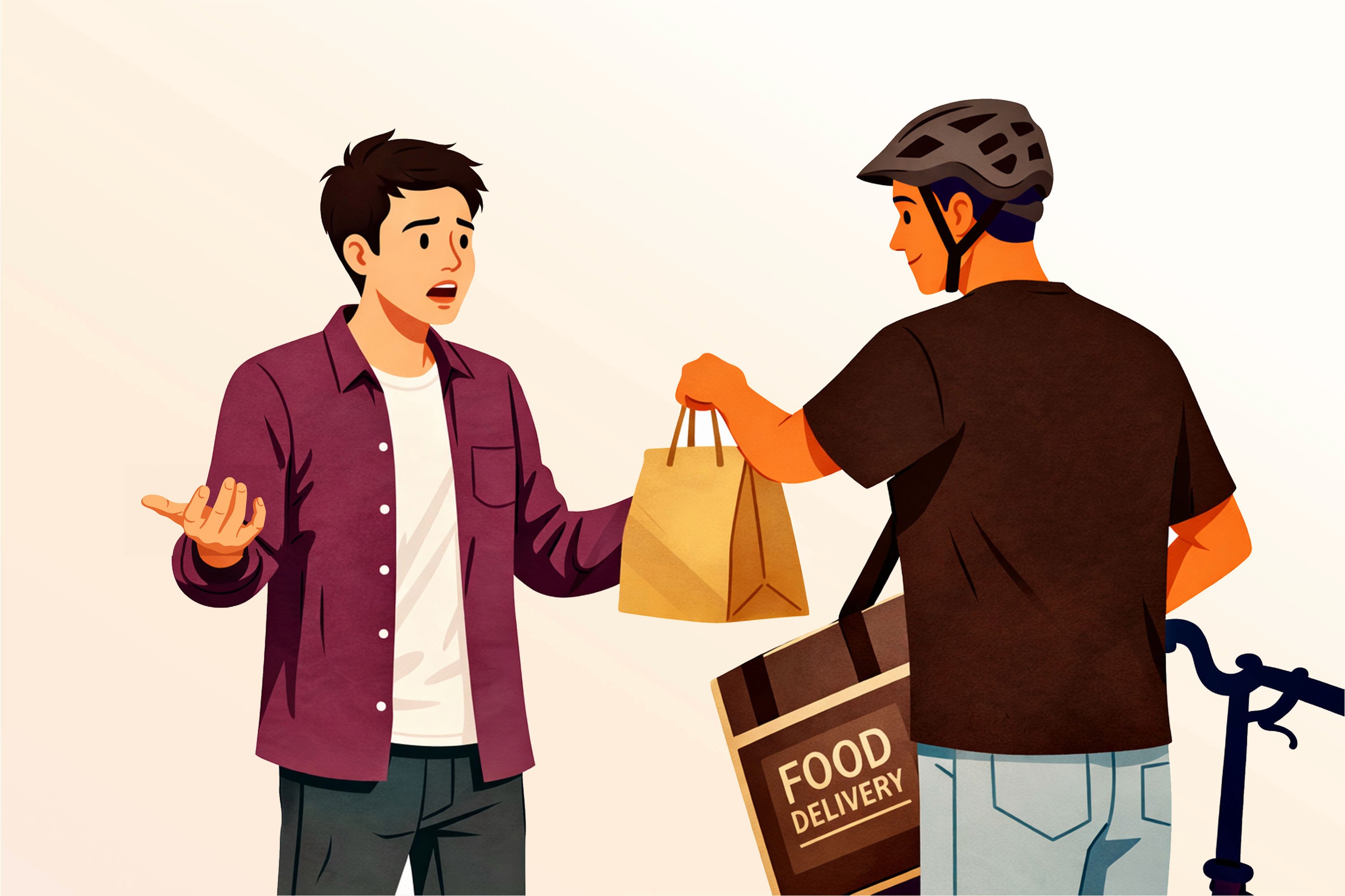
Running a delivery operation with spreadsheets, phone calls, and WhatsApp groups is a familiar reality for many businesses in the food, retail, and pharmacy industries. Orders pile up, riders get confused, dispatchers lose track of who is where, and customers call in asking about their orders. The entire chain relies on individuals remembering things correctly and communicating fast enough. As order volumes grow, this approach buckles under its own weight.
What Delivery Management Software Actually Does
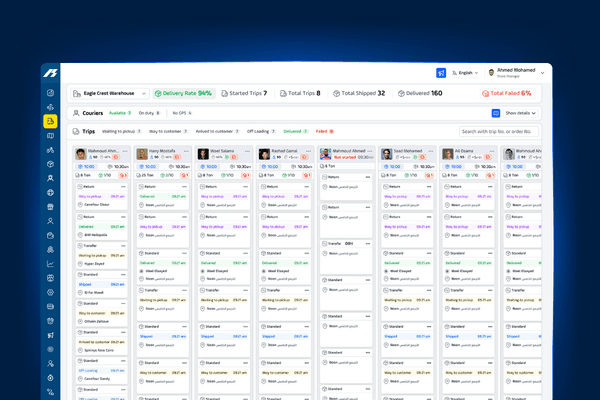
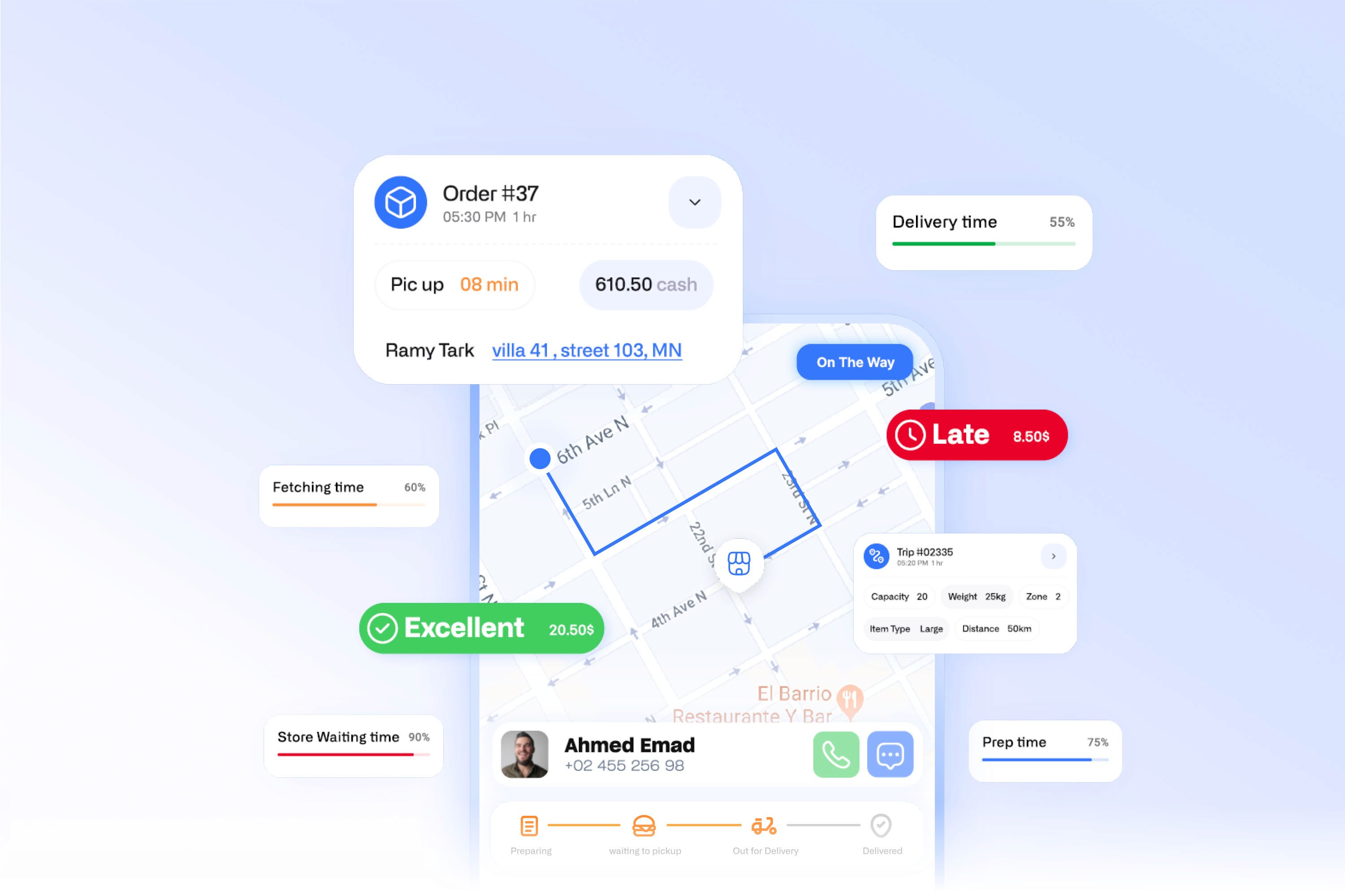
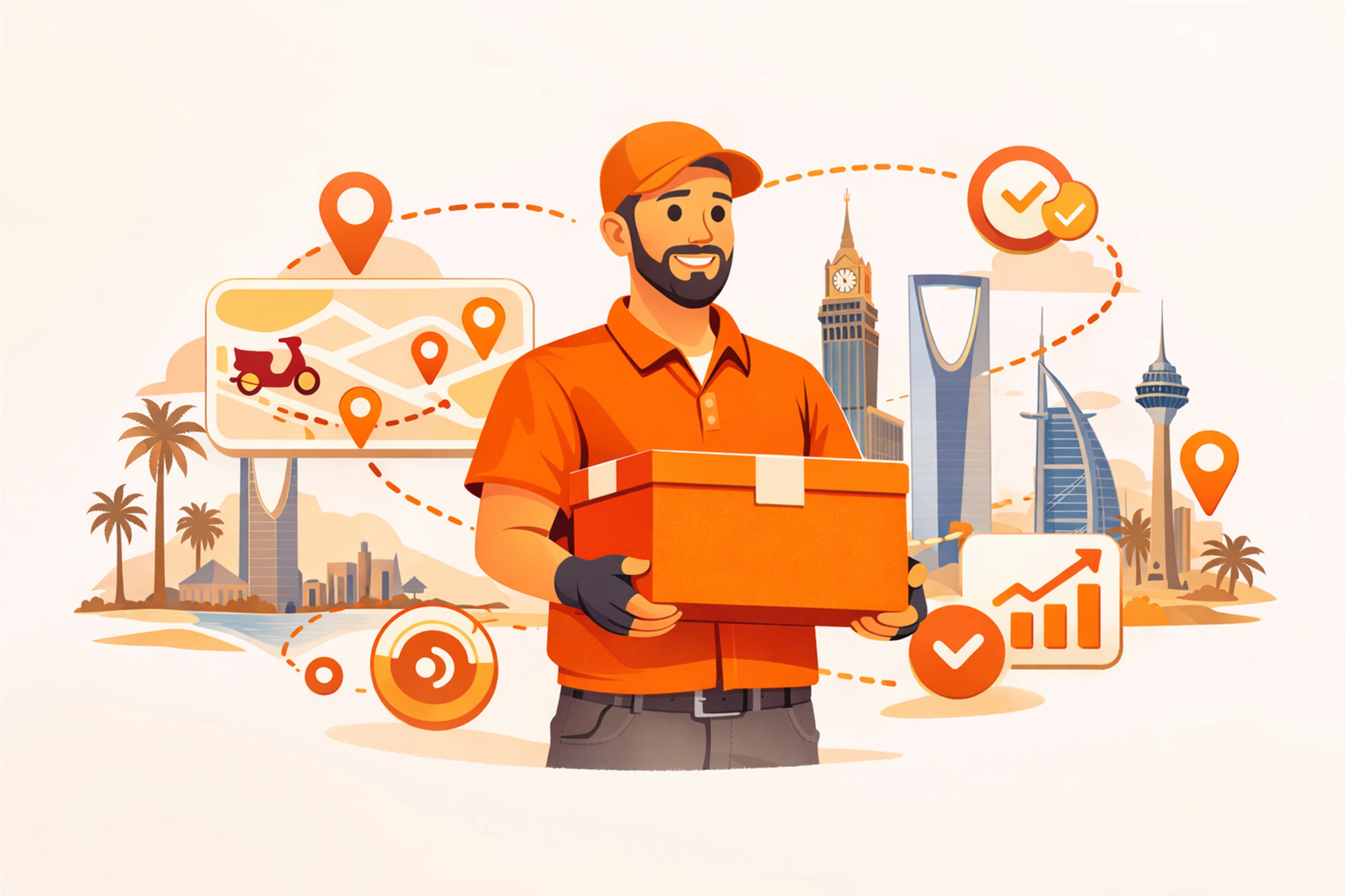
Delivery management software is a centralized platform that handles the full lifecycle of a delivery, from the moment an order is placed to the moment a rider returns to the store. It connects to your existing point-of-sale or e-commerce system, pulls in orders automatically, groups them intelligently, plans optimal routes, assigns riders, and tracks everything in real time.
At the core of a strong delivery management software platform is automation. Rather than having a dispatcher manually decide which orders go together, which rider should take them, and in what sequence they should be delivered, the software handles all of these decisions based on predefined rules and live data. This includes factors like rider proximity to the store, rider skills, vehicle type, order priority, and even whether an order contains hot or cold items that should not be grouped together.
Why Manual Dispatch Falls Short for Growing Delivery Operations
Manual dispatch works when you have a handful of orders and a few riders. But once you cross a certain volume threshold, the complexity compounds. A dispatcher managing 50 orders across 10 riders during a lunch rush cannot realistically make optimal grouping and routing decisions in real time. Orders get delayed, riders take inefficient paths, and customers experience inconsistent service.
Beyond speed, manual processes also open the door to human bias. A dispatcher might consistently favor certain riders, or group orders in ways that benefit specific drivers rather than the operation as a whole. A delivery management software system removes these variables by applying consistent logic to every single order.
Key Features to Look for in Delivery Management Software
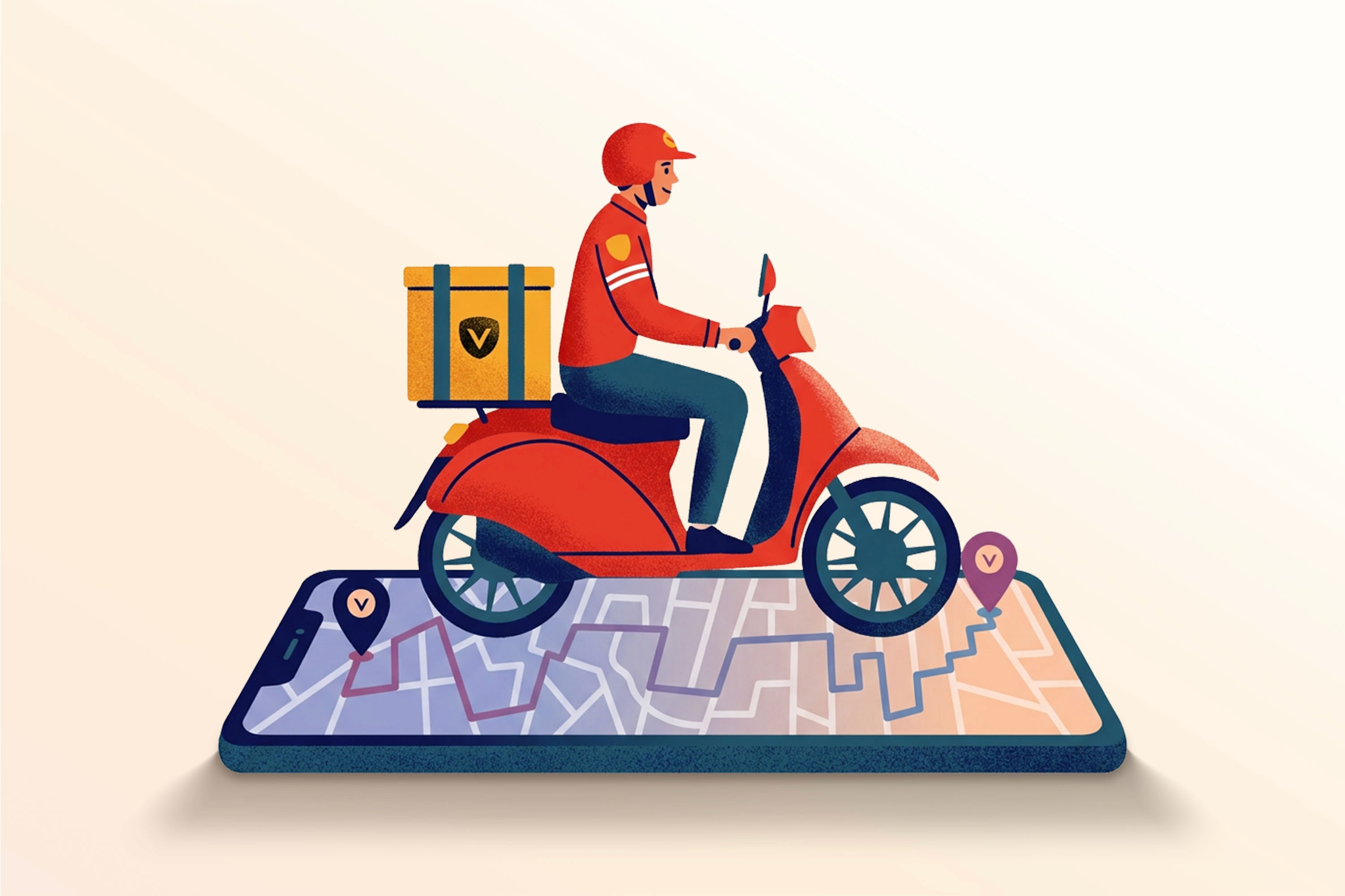
The features that differentiate a capable delivery management software platform from a basic tracking tool include automated order grouping based on item type, temperature, and destination proximity. Route optimization that accounts for traffic, delivery windows, and vehicle capacity is equally critical. Real-time tracking with GPS verification ensures that every action a rider takes is logged and verifiable.
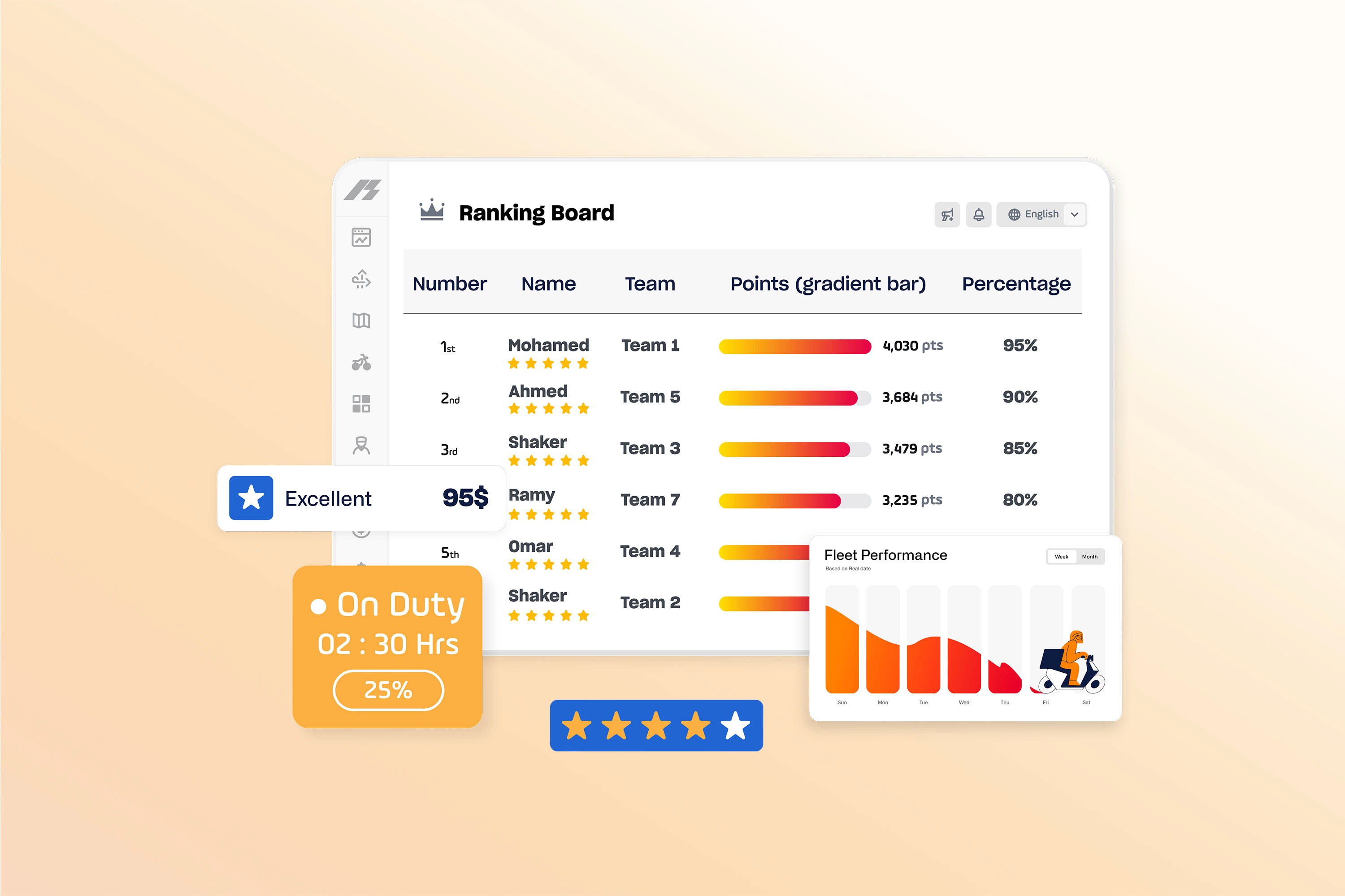
Advanced platforms also offer payroll automation tied directly to rider performance, attendance management that lets riders clock in and out within specific geofenced locations, and fraud detection that flags suspicious behavior like abnormally fast deliveries or GPS spoofing attempts. These are the features that separate operational control from operational chaos.
How Delivery Management Software Reduces Costs
The cost savings from implementing delivery management software come from multiple angles. Route optimization alone can cut fuel expenses significantly. Automated dispatch reduces the need for large dispatcher teams. Fraud detection catches fake deliveries and manipulation attempts that would otherwise go unnoticed. And faster, more reliable deliveries reduce customer complaints and the associated call center burden.
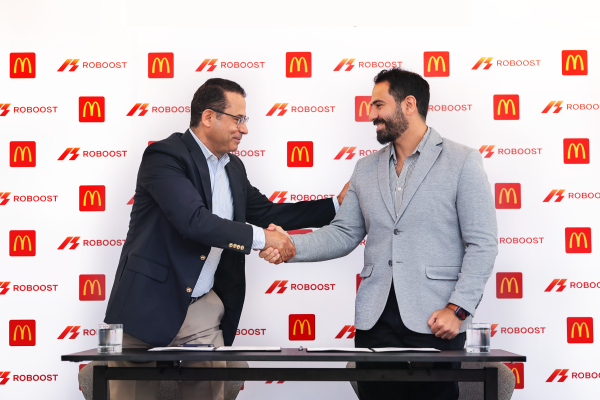
Roboost, for example, has helped clients achieve a 30% reduction in operations costs, 2x faster delivery speeds, and an 80% reduction in order returns. These figures come from breaking down the delivery cycle into granular phases and optimizing each one individually, something that would be impossible to do manually at scale.
Choosing the Right Delivery Management Software for Your Business
When evaluating delivery management software, look beyond the feature checklist. Ask whether the platform can truly automate dispatch without requiring manual intervention. Ask whether it can handle your specific SLA requirements, like separating hot and cold orders or prioritizing VIP customers. Ask about integration with your existing POS and whether the system can scale across multiple branches and cities.
The right delivery management software should feel like adding a logistics expert to your team, one that works around the clock, applies your rules consistently, and gives you data you can actually trust to make better decisions.
Frequently Asked Questions About Delivery Management Software
What is delivery management software?
Delivery management software is a platform that automates the full delivery cycle, including order intake from POS systems, intelligent order grouping, route optimization, automated rider assignment, real-time GPS tracking, fraud detection, and post-delivery analytics. It replaces manual dispatch processes with rule-based automation.
How does delivery management software integrate with my existing POS?
Most advanced platforms, including Roboost, connect directly to popular POS and e-commerce systems through API integrations. Orders appear in the dispatch queue automatically the moment they are placed, with no manual data entry required.
Can delivery management software work for small fleets?
Yes. While the benefits are most visible at scale, even operations with a small fleet benefit from route optimization, automated assignment, and performance tracking. The system grows with you as your fleet and order volume expand.
How quickly can I see results after implementing delivery management software?
Roboost clients typically see measurable improvements within the first few weeks, including faster delivery times, lower return rates, and reduced dispatcher workload. The system starts optimizing from the first order it processes.