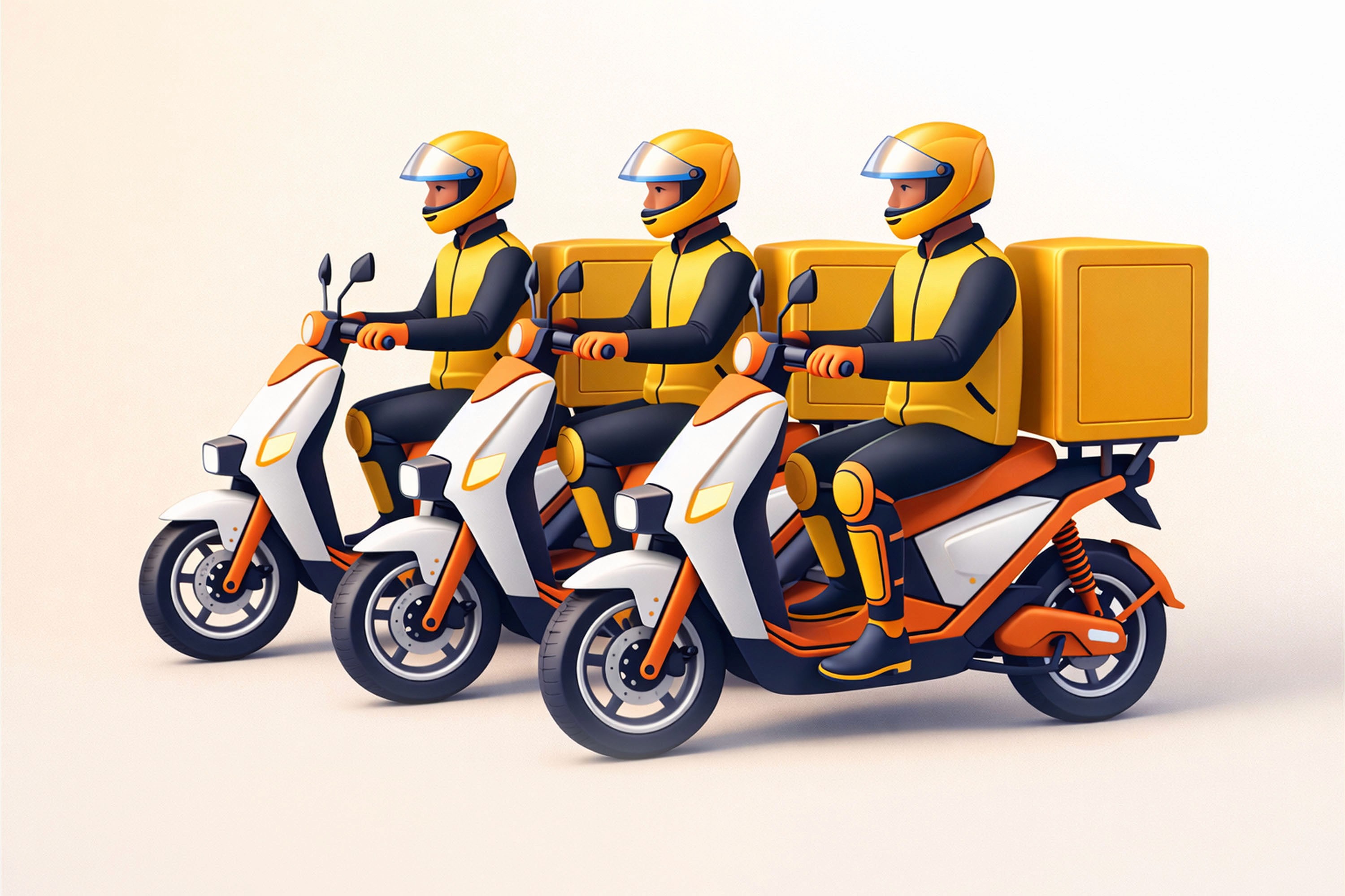
Restaurants that rely on their own delivery fleet face a unique set of challenges. Unlike third-party aggregators that handle logistics end to end, restaurants managing in-house riders need to coordinate order preparation, rider assignment, route planning, and customer communication all at once. The kitchen is focused on food quality, the front of house is handling walk-ins, and somewhere in between, someone needs to figure out which rider should take which order and when.
Why Restaurants Need Dedicated Restaurant Delivery Management Software
Generic logistics tools were built for parcel delivery and freight. They lack the nuances that matter in food delivery. A restaurant delivery management software platform understands that a hot shawarma cannot sit waiting while a rider picks up three more orders across town. It knows that a VIP customer who complained last week should get priority dispatch. It factors in preparation time so riders arrive at the kitchen precisely when the food is ready, rather than standing idle or rushing back late.
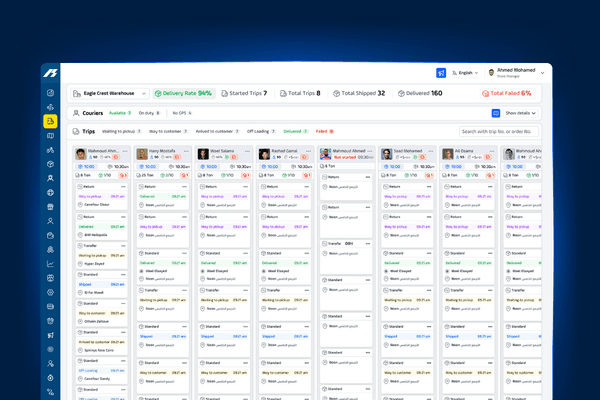
Restaurant delivery management software also bridges the gap between the kitchen and the fleet. By integrating directly with the restaurant's POS system, orders flow into the dispatch queue the moment they are placed. Grouping logic considers item temperature, order size, and delivery zone. The dispatcher, if one is even needed, can monitor everything from a single screen instead of juggling phone calls and paper tickets.
Automating Dispatch in a Restaurant Delivery Management Software System
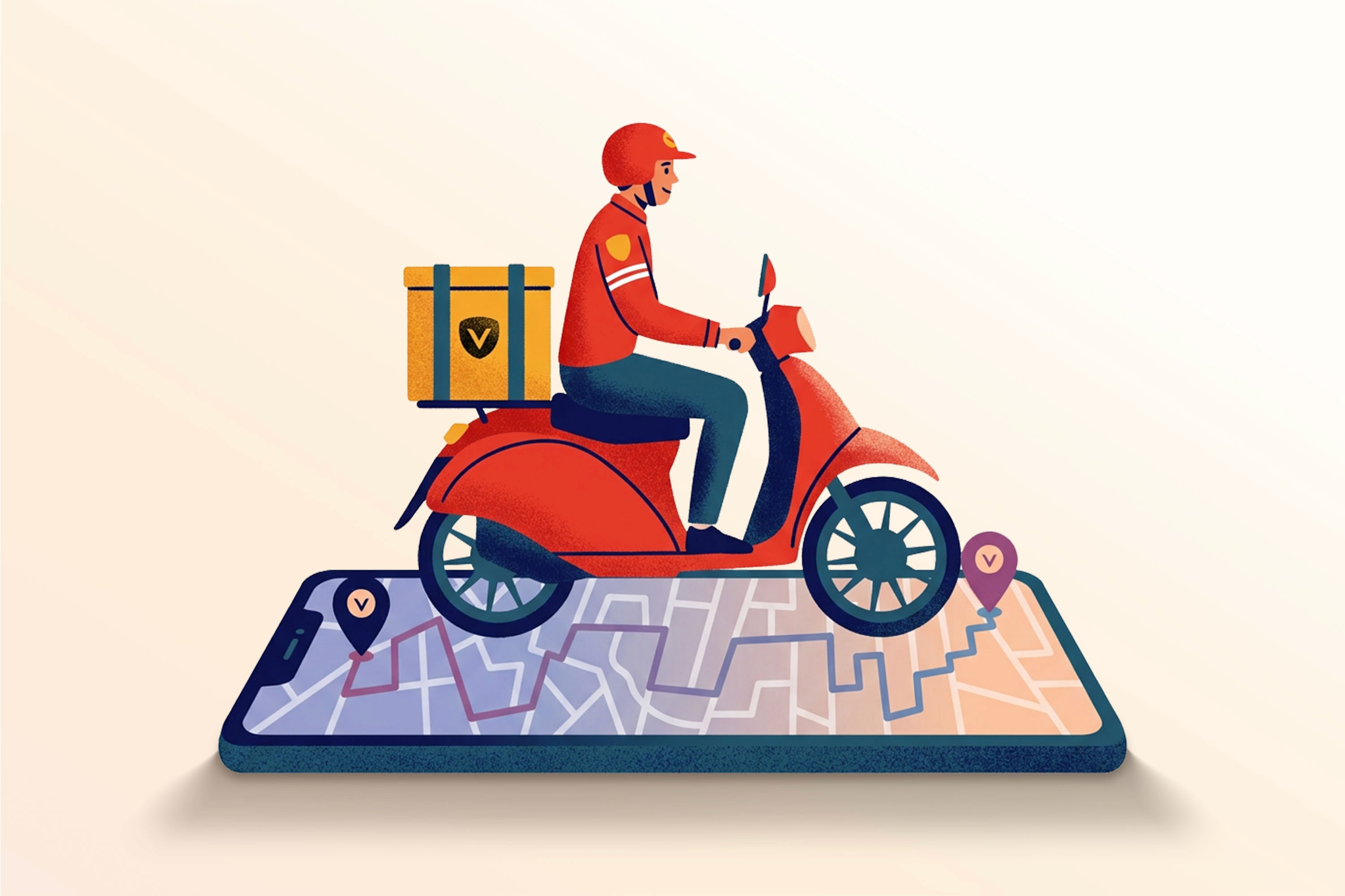
Full dispatch automation is the feature that transforms a restaurant's delivery operation. When an order comes in from the POS, the system evaluates which rider is available, closest to the store, and best suited for the delivery based on skills and vehicle type. It groups the order with other compatible orders heading in the same direction, optimizes the route, and assigns the trip to the rider, all without a human pressing a single button.
Roboost achieves 99.89% task automation for many of its restaurant clients. This means that in a typical shift, the store team takes zero manual dispatch actions. The system handles grouping, routing, priority, and assignment entirely on its own. This level of automation frees up staff to focus on food quality and customer service rather than logistics coordination.
Tracking Rider Performance with Restaurant Delivery Management Software
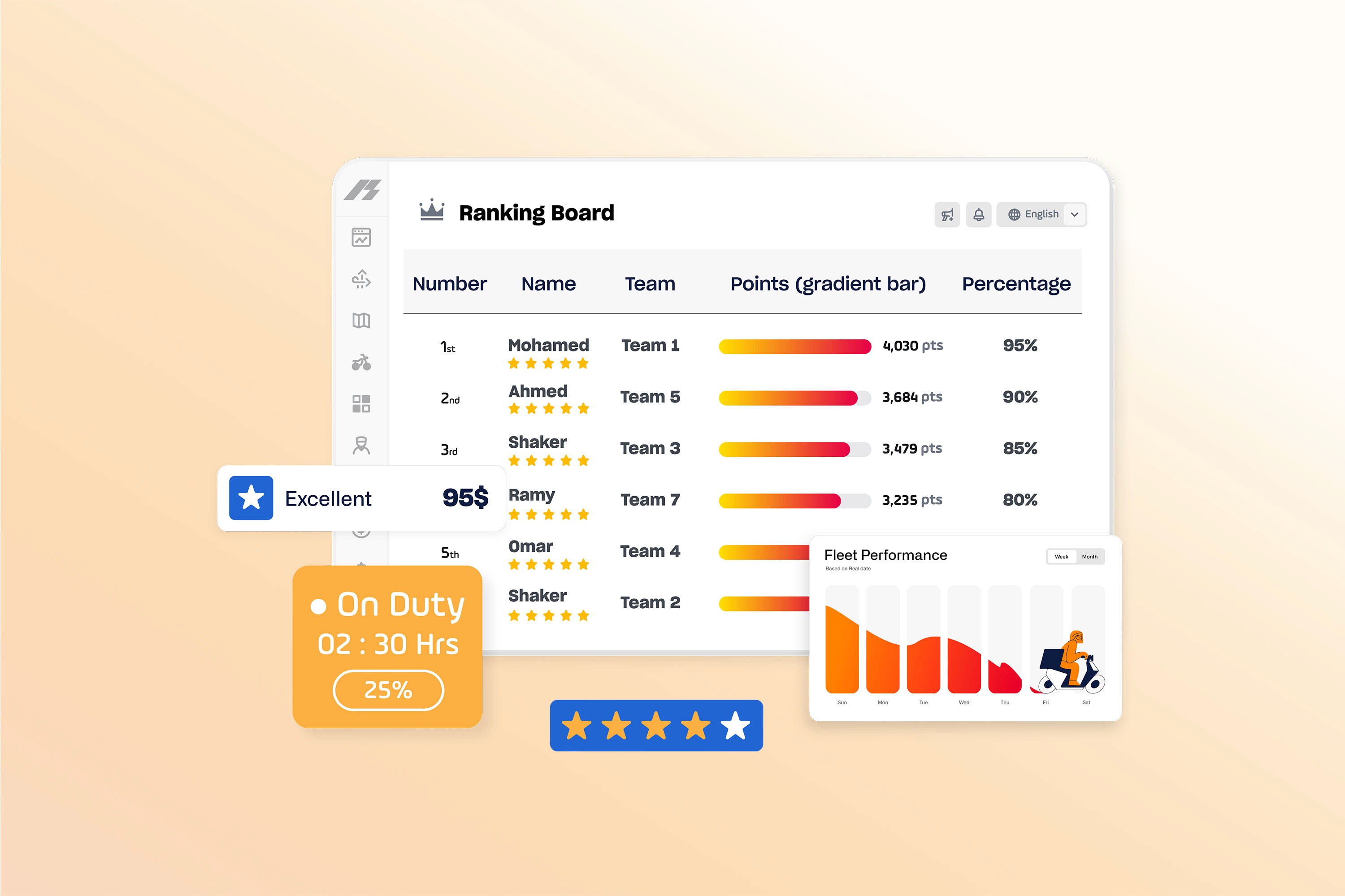
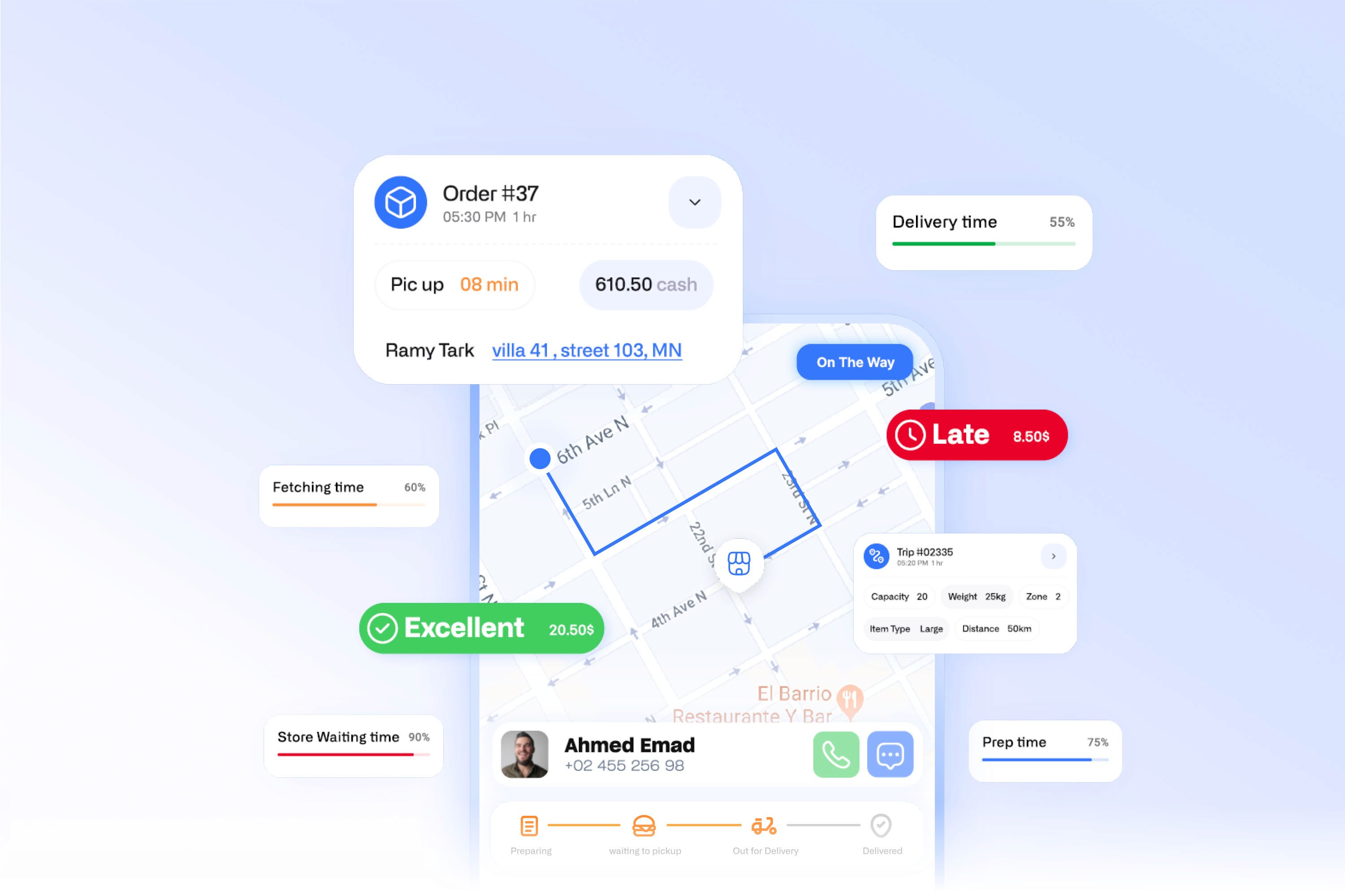
Knowing where your riders are is useful, but knowing how they perform is essential. Restaurant delivery management software should break down every delivery into measurable phases: preparation time, rider assignment time, travel time to pickup, store waiting time, travel time to customer, customer serving time, and return time. This granularity lets you identify exactly where delays happen.
For instance, if your average delivery time is 45 minutes but riders are spending 12 minutes waiting at the store after arriving, the bottleneck is kitchen prep, not the fleet. Without a restaurant delivery management software system that isolates each phase, you would never pinpoint this.
Reducing Returns and Complaints Through Restaurant Delivery Management Software
Late and cold deliveries are the leading cause of order returns in the restaurant industry. Every returned order is a direct hit to revenue and a negative mark on customer loyalty. Restaurant delivery management software tackles this by controlling trip capacity, so riders cannot overload themselves with orders that will inevitably arrive late and cold.
Dynamic trip capacity is a particularly important feature. During off-peak hours, a rider might carry two or three orders. During rush hours, the system adjusts capacity based on real-time conditions. This flexibility ensures orders are delivered fresh and on time, regardless of demand fluctuations.
Choosing Restaurant Delivery Management Software That Fits Your Operation
Look for a platform that integrates with your POS system natively, supports automated grouping based on food type and temperature, and provides detailed analytics that separate kitchen performance from fleet performance. The system should scale with you, whether you operate a single location or a chain with dozens of branches across multiple cities.
Frequently Asked Questions About Restaurant Delivery Management Software
How does restaurant delivery management software differ from generic delivery tools?
Restaurant-specific platforms account for food-related factors like item temperature, preparation time synchronization, and freshness windows. They prevent hot and cold items from being grouped on the same trip and time dispatch so riders arrive when food is ready, rather than waiting idle at the kitchen.
Can restaurant delivery management software tell me if my kitchen or my fleet is causing delays?
Yes. Roboost uses a double-verification method that cross-references kitchen-reported preparation time with the rider's actual store waiting time. If the rider waited significantly longer than the reported prep time, the data reveals that the kitchen timestamp was inaccurate.
What level of automation can I expect with restaurant delivery management software?
With Roboost, many restaurant clients achieve 99.89% task automation. This means the system handles order grouping, routing, priority assignment, and rider dispatch without any manual actions from the store team during a typical shift.
Does restaurant delivery management software support multiple branches?
Yes. Roboost supports multi-branch operations with configuration options at the company, branch, and availability zone levels. Each location can have its own dispatch rules, trip capacity settings, and SLA targets.