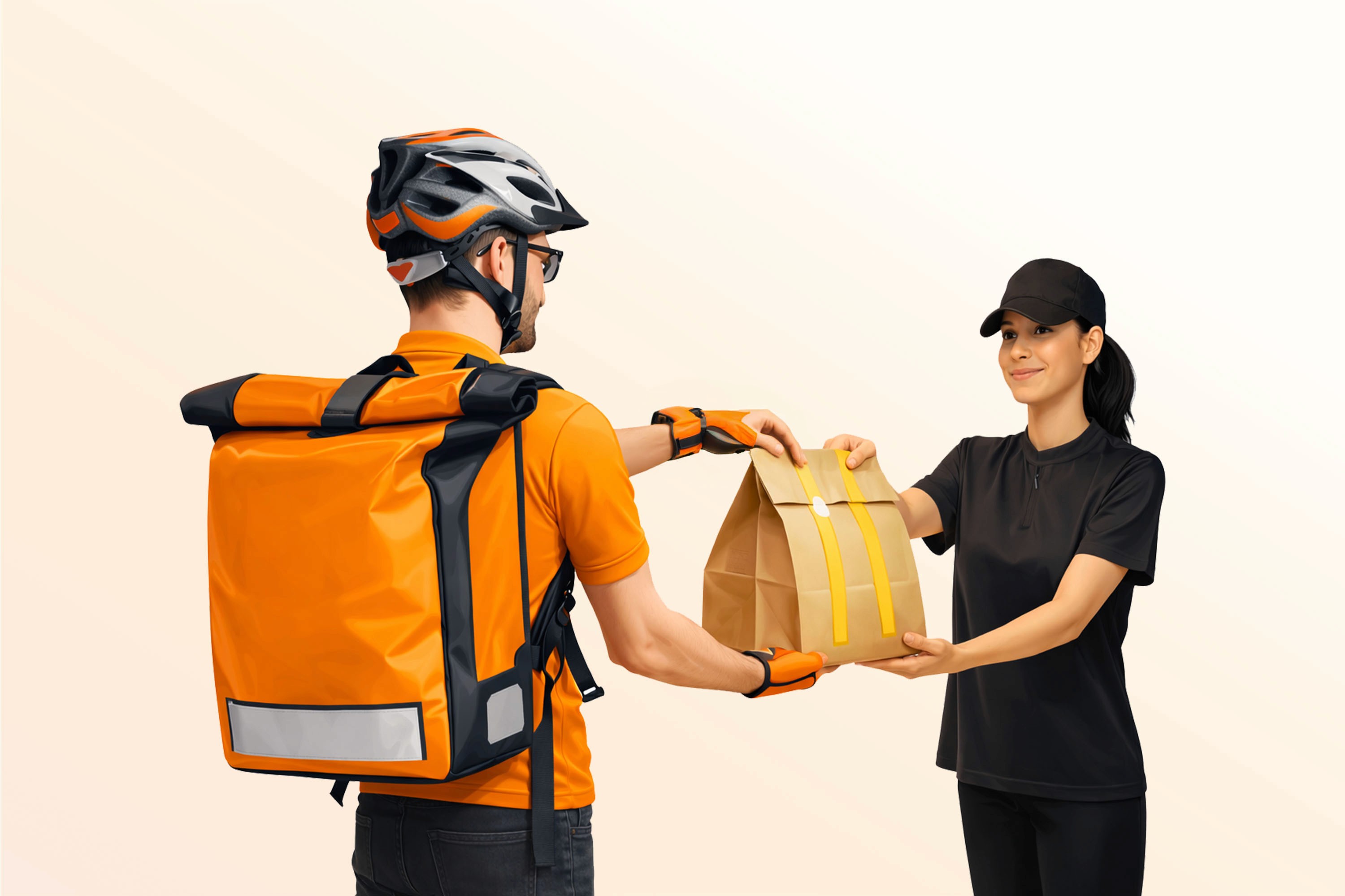
The decision between running your own fleet and outsourcing to third-party delivery providers is one of the most consequential choices a business can make about its logistics strategy. Both approaches have clear advantages and trade-offs, and the right answer depends on your order volume, customer expectations, brand standards, and willingness to invest in operational infrastructure. Understanding the full picture of own fleet vs third party delivery helps you make a decision grounded in operational reality rather than assumptions.
The Case for Own Fleet in the Own Fleet vs Third Party Delivery Debate
Running your own fleet gives you direct control over the customer experience from kitchen to doorstep. Your riders represent your brand. You set the service standards, the dress code, the delivery speed targets, and the communication protocols. When something goes wrong, you can address it immediately because you have full visibility into what happened and why.
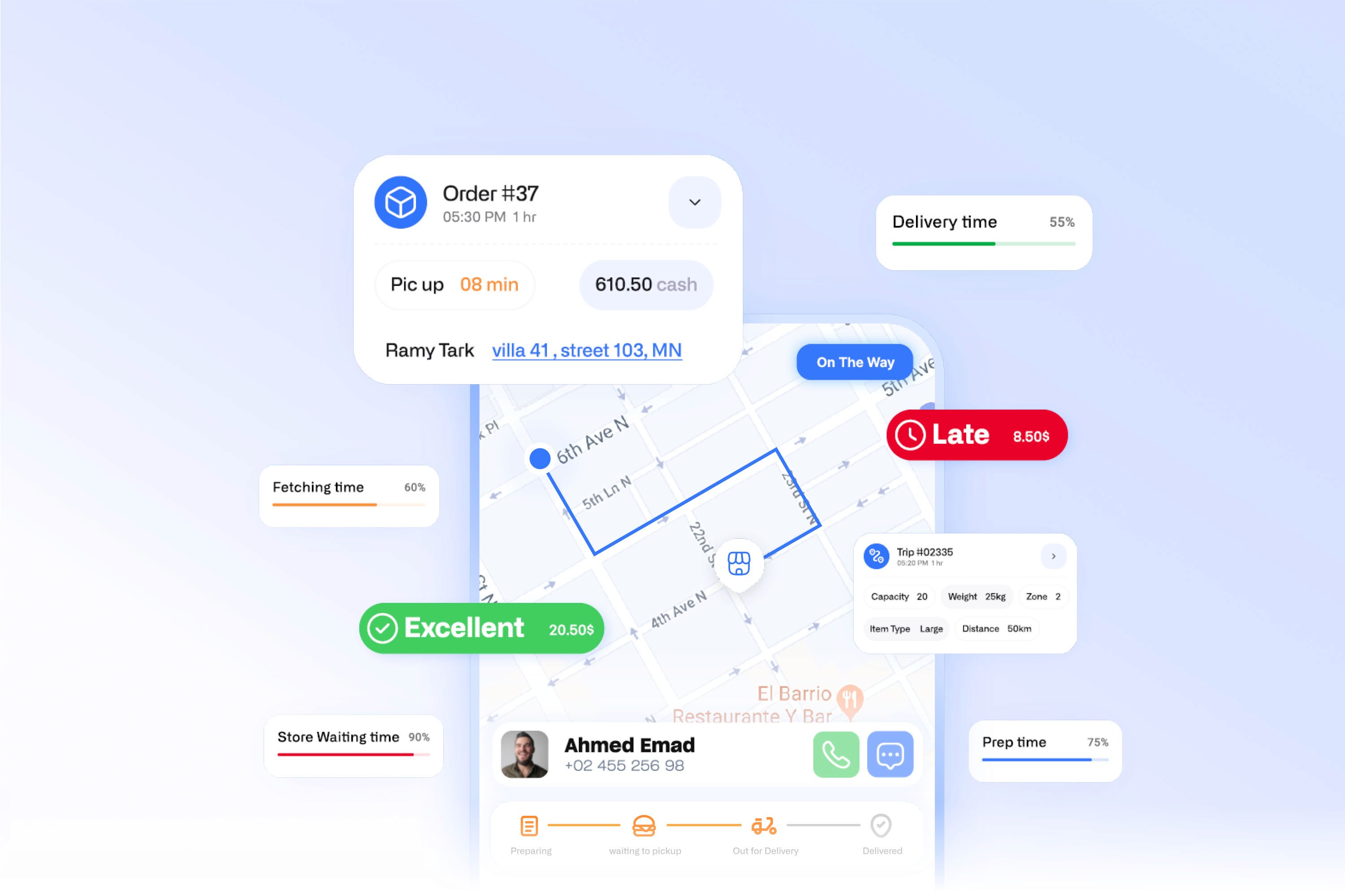
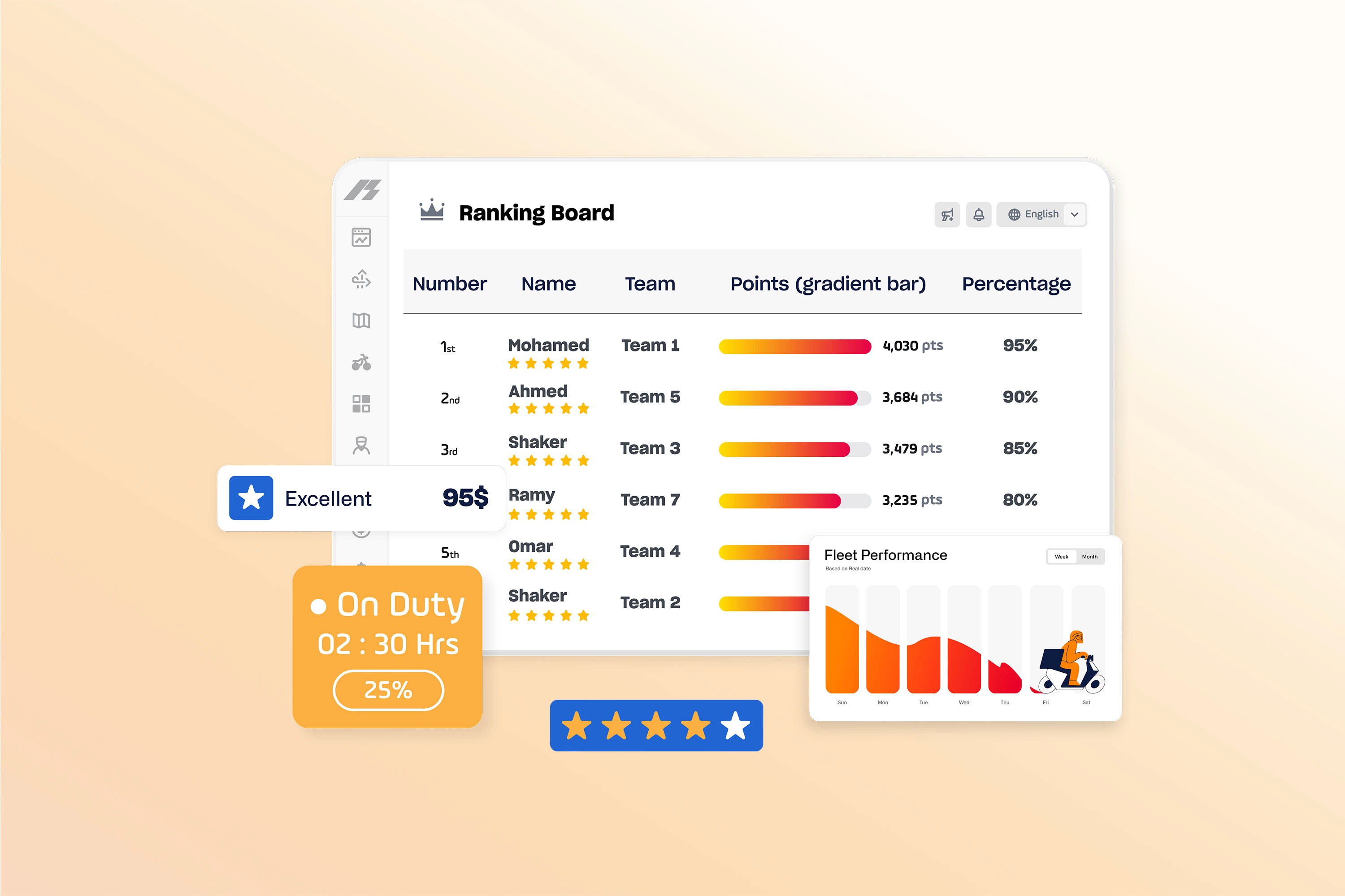
Own fleet operations also give you access to granular delivery data. You know exactly how long each phase of the delivery took, which riders are performing well, which branches have bottlenecks, and where returns are concentrated. This data becomes a competitive advantage over time, enabling you to continuously optimize your operation in ways that third-party reliance simply cannot match.
The Case for Third Party Delivery in the Own Fleet vs Third Party Delivery Decision
Third-party delivery providers offer convenience and scalability without upfront investment. You do not need to recruit, train, or manage riders. You do not need vehicles, insurance, or fleet management technology. For businesses just starting with delivery or testing new markets, third-party providers reduce risk and capital requirements significantly.
The trade-off is control. You have limited visibility into rider behavior, delivery quality, and customer interaction. You pay a commission per order that can range from 15% to 35%, which erodes margins significantly at scale. And you are dependent on the provider's capacity during peak hours, which may leave your customers waiting.
The Hybrid Approach: Combining Own Fleet and Third Party Delivery
Many businesses settle on a hybrid model, maintaining their own fleet for core operations and using third-party providers for overflow during peak periods or for coverage in areas where maintaining dedicated riders is not cost-effective. This approach requires a delivery management platform that can manage both in-house and outsourced fleets from a single system.
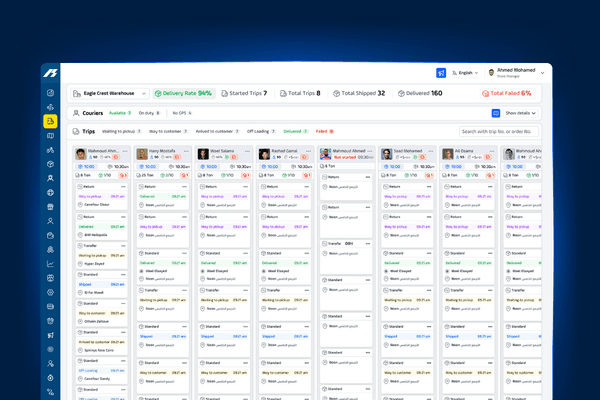
Roboost supports this hybrid model natively. Operations managers can monitor and control their own fleet with full automation while simultaneously tracking third-party partner performance. One Roboost client, Mahmoud Elfar, gained 100% visibility and control over their 3PL partners' performance after implementation, allowing them to handle an expanding fleet and operations with better control.
Technology's Role in the Own Fleet vs Third Party Delivery Decision
The availability of powerful delivery management software has shifted the own fleet vs third party delivery calculus. Ten years ago, running your own fleet required significant manual overhead. Today, with platforms like Roboost automating dispatch, route planning, rider management, fraud detection, and payroll, the operational burden of running your own fleet is dramatically reduced. The technology handles the complexity, and you retain the control, the data, and the margin that third-party commissions would otherwise consume.
For businesses processing enough orders to justify a dedicated fleet, the own fleet model, powered by the right technology, typically delivers better economics, better customer experience, and better long-term strategic positioning than relying entirely on third parties.
Frequently Asked Questions About Own Fleet vs Third Party Delivery
When does it make sense to run your own fleet instead of using third-party delivery?
Running your own fleet typically makes sense when your order volume is high enough to sustain dedicated riders, when your brand standards require control over the delivery experience, and when the commissions paid to third-party providers (15%-35% per order) exceed the cost of operating your own fleet with delivery management software.
Can I use both my own fleet and third-party providers at the same time?
Yes. A hybrid model is common and effective. Roboost supports managing in-house riders with full automation while simultaneously tracking and monitoring third-party partner performance from a single dashboard.
What data advantages does own fleet provide over third-party delivery?
With your own fleet managed through a platform like Roboost, you get granular data on every delivery phase: preparation time, rider assignment, travel time, customer serving time, return time, fraud indicators, and branch-level comparisons. Third-party providers typically share limited data, usually just delivery status and estimated arrival.
How much does delivery management software reduce the operational burden of running your own fleet?
Roboost automates dispatch, route planning, order grouping, rider assignment, fraud detection, payroll calculations, and performance tracking. Clients achieve up to 99.89% task automation, which means the operational overhead of managing the fleet is handled by the system rather than by dedicated dispatcher staff.