Delivery fraud is one of the most overlooked cost centers in last-mile logistics. For businesses running their own fleet, the assumption is that riders are completing deliveries as reported. But the reality is that many operations suffer from a range of fraudulent behaviors, from fake deliveries and GPS spoofing to riders inflating their trip counts or delivering to incorrect locations. Without proper delivery fraud detection, these issues go unnoticed until they show up as unexplained losses in the monthly books.
Common Types of Delivery Fraud That Affect Businesses
The most common form of delivery fraud is the fake delivery, where a rider marks an order as delivered without actually reaching the customer. This happens more frequently with cash-on-delivery orders, where the rider may collect the cash but report the delivery as failed. GPS spoofing, where riders use applications to fake their location, is another widespread issue. Some riders also manipulate trip capacity by picking up more orders than allowed, leading to late and cold deliveries that result in returns.
In operations without delivery fraud detection, these behaviors become normalized. Riders learn that the system has no way to verify their actions, and the business is left relying on customer complaints as the only indicator that something went wrong.
How Delivery Fraud Detection Technology Works
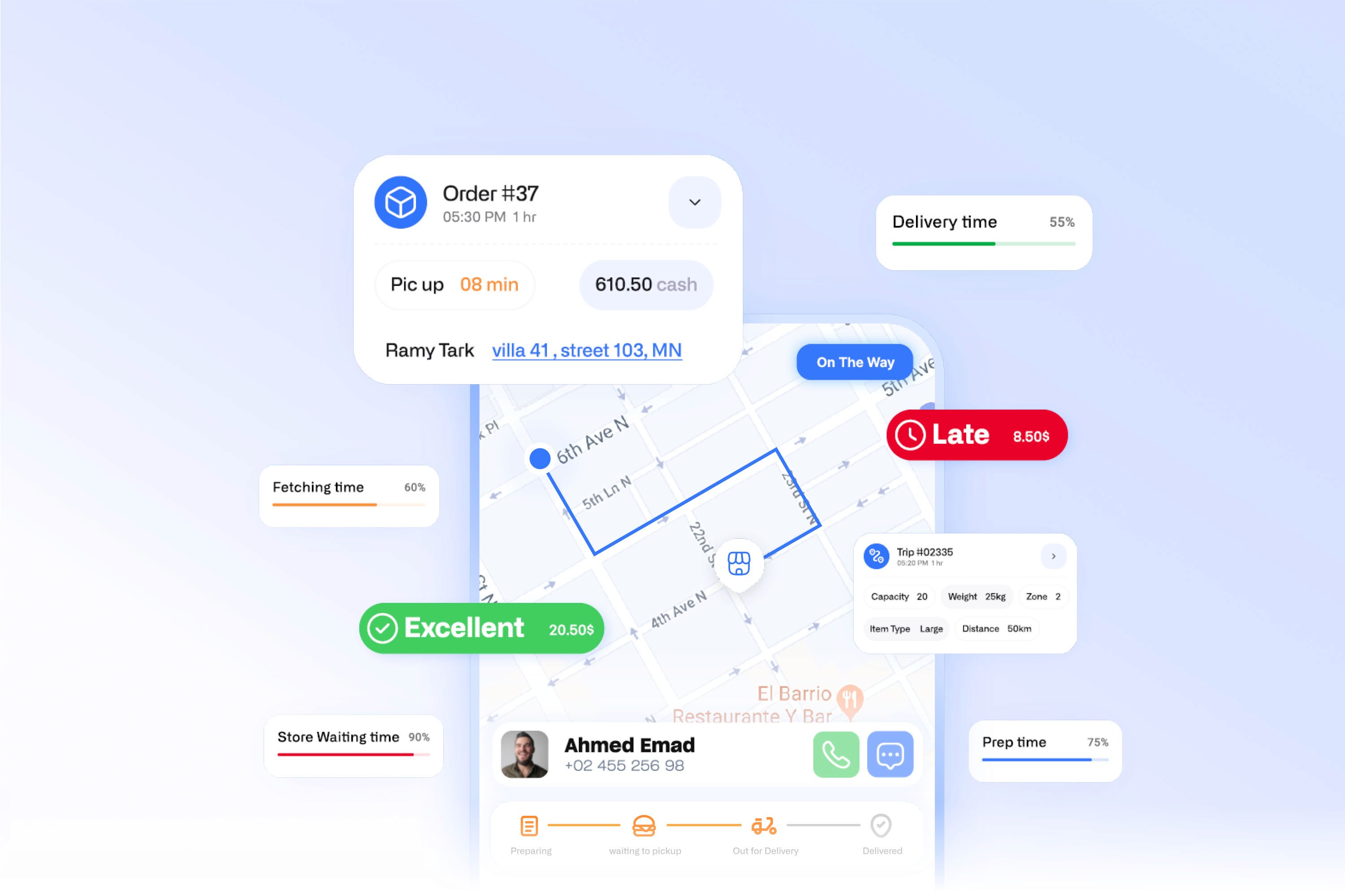
Effective delivery fraud detection operates at multiple layers. At the most basic level, it requires GPS verification at every key action point: when a rider starts their shift, arrives at the store, picks up the order, arrives at the customer location, and completes the delivery. Each of these checkpoints is validated against the expected location using geofencing.
More advanced delivery fraud detection systems go further. They monitor the time between actions and flag anomalies. A delivery completed in three minutes for a destination that is 15 minutes away is automatically flagged. A rider who consistently delivers outside the designated customer zone triggers an alert. Attempts to use VPN or fake GPS apps are detected and blocked at the device level.
Roboost's delivery fraud detection includes IMEI locking, which binds the rider app to a specific device and prevents login from multiple phones. Location restrictions enforce shift start and end within designated availability zones. And a published machine learning model can identify fraudulent deliveries even without prior customer geolocation data, making it effective for new customers and new delivery areas.
The Financial Impact of Missing Delivery Fraud Detection
Businesses that implement delivery fraud detection typically discover that fraud rates were much higher than assumed. Roboost clients have seen abuse rates drop from above 50% to less than 10% after deployment. That gap represents real revenue lost to fake deliveries, unnecessary returns, and inflated payroll costs for trips that never actually happened.
Beyond direct losses, the absence of delivery fraud detection also corrupts your data. If 30% of your completed deliveries are fraudulent, your average delivery time, your rider performance metrics, and your cost-per-order calculations are all unreliable. You end up making decisions based on numbers that do not reflect reality.
Implementing Delivery Fraud Detection in Your Operation
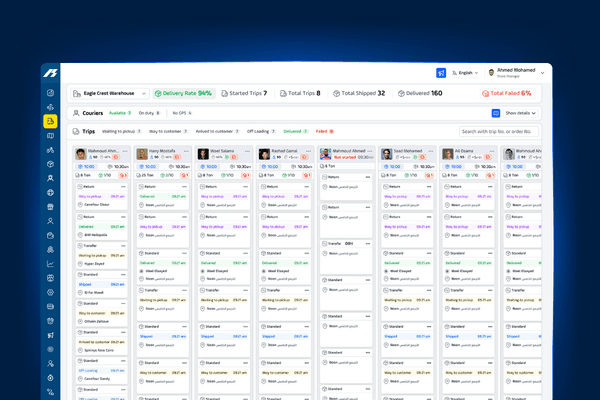
A delivery fraud detection system should be integrated into the core of your delivery management platform, not added as an afterthought. The system should automatically exclude flagged trips from performance calculations so your analytics remain trustworthy. It should link detected fraud to automated consequences like payroll deductions, creating a clear deterrent. And it should provide your operations team with detailed investigation tools so they can review flagged incidents with full context, including the rider's live route, timestamps, and location data for every action taken during the trip.
Frequently Asked Questions About Delivery Fraud Detection
What types of fraud does delivery fraud detection catch?
Comprehensive systems detect fake deliveries (marking orders as delivered without reaching the customer), GPS spoofing via fake location apps, VPN manipulation, abnormally fast trip completions, deliveries outside designated geofences, IMEI violations from logging in on multiple devices, and trip capacity manipulation.
How does delivery fraud detection affect my data accuracy?
Flagged and abused trips are automatically excluded from performance calculations. This means your average delivery time, rider performance scores, and cost-per-order metrics reflect verified, legitimate deliveries only, giving you data you can trust for operational decisions.
Can delivery fraud detection work without customer GPS coordinates?
Yes. Roboost's machine learning fraud detection model can identify fraudulent deliveries even without prior customer geolocation. The system also builds a verified location database over time as repeated deliveries to the same address confirm the correct coordinates.
What happens when a rider is flagged by the delivery fraud detection system?
Flagged trips can be linked to automated consequences such as payroll deductions. The operations team receives detailed data including the rider's route, timestamps, and GPS coordinates for investigation. The flagged trip is excluded from performance metrics to keep analytics clean.