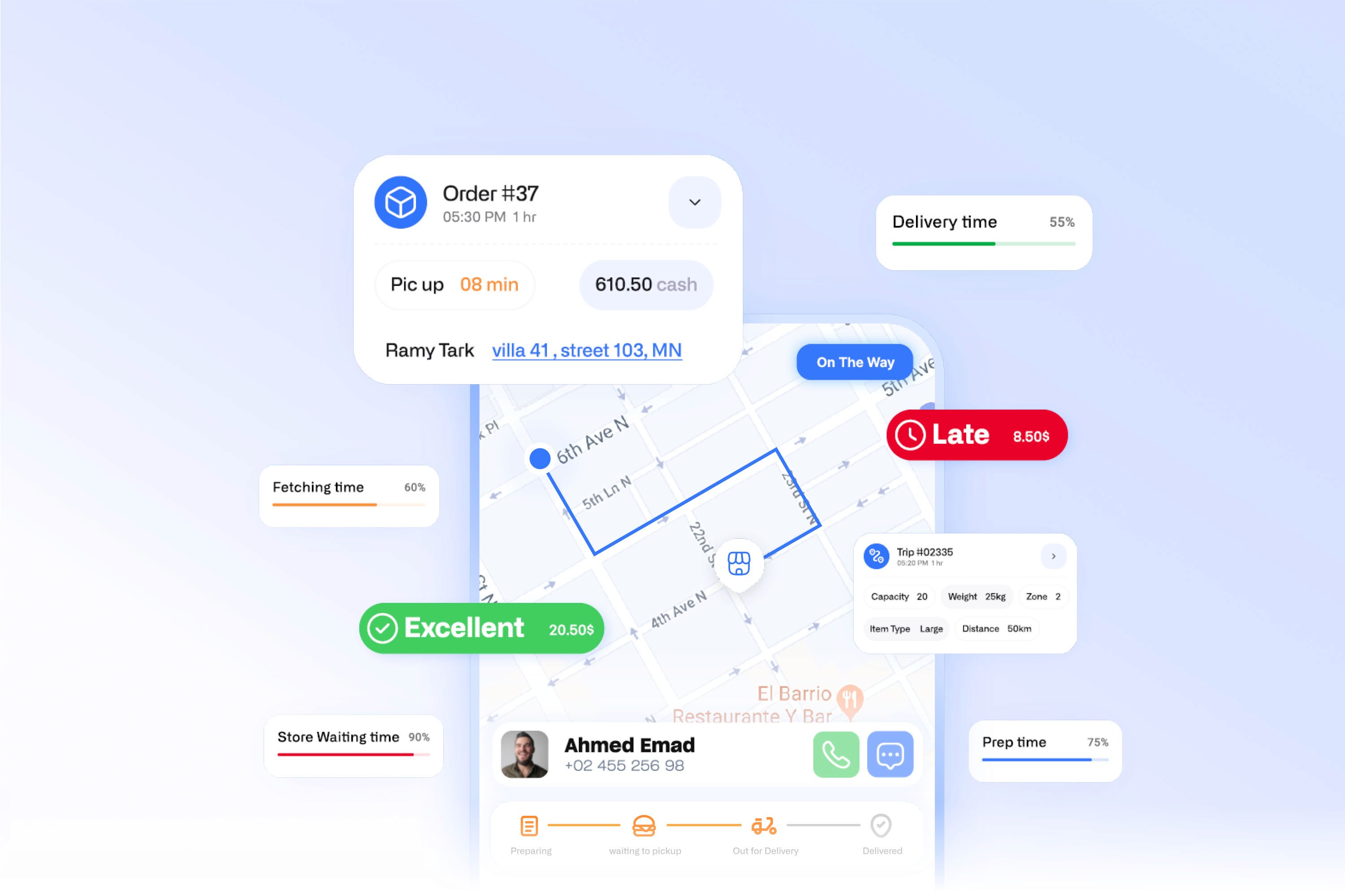
In most delivery operations, a dispatcher sits at a screen, looks at incoming orders, checks which riders are available, and manually assigns each trip. During slow periods, this works well enough. But during peak hours, when dozens of orders flood in simultaneously and riders are scattered across the city, the dispatcher becomes the bottleneck. Decisions are made under pressure, routes are suboptimal, and orders that should have been grouped together end up on separate trips. Automated delivery dispatch solves this by removing the human bottleneck from the equation entirely.
What Automated Delivery Dispatch Actually Means
True automated delivery dispatch is different from basic auto-assignment, which simply sends the next order to the nearest available rider. Automated delivery dispatch considers a wide range of variables before making an assignment: rider proximity to the store, rider skills (such as language abilities or handling of specific item types), vehicle type and capacity, order priority based on ticket size or customer history, item temperature compatibility for grouping, and real-time trip capacity settings that can change dynamically based on the time of day.
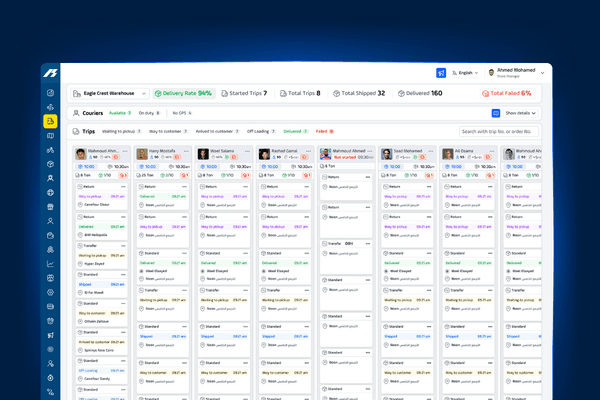
Roboost's automated delivery dispatch system processes all these variables for every single order, without any human input. Orders are grouped, routes are optimized, and trips are assigned in seconds. The system maintains a dispatching queue that considers who is next in line, who is on break, who is returning to the store, and who is best suited for a specific order type.
How Automated Delivery Dispatch Eliminates Bias and Error
Manual dispatch introduces two unavoidable problems: human error and human bias. Dispatchers under pressure make suboptimal decisions. They may also, consciously or not, favor certain riders when assigning lucrative orders. Over time, this creates resentment within the fleet and leads to uneven performance metrics that do not accurately reflect rider capability.
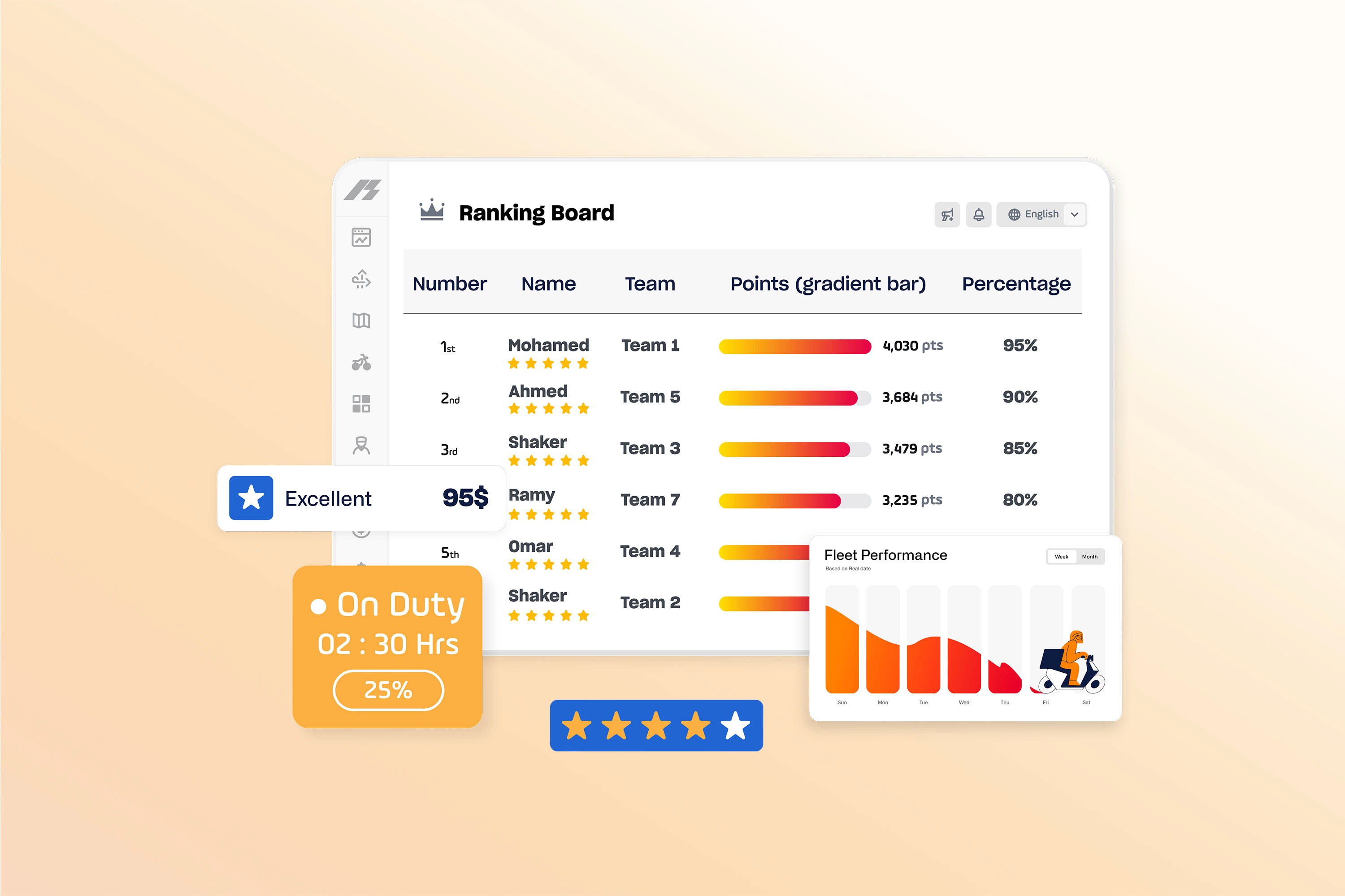
Automated delivery dispatch applies the same rules to every order and every rider, every time. Priority is determined by the system's configuration, not by personal preference. This consistency builds trust within the team and ensures that performance data accurately reflects each rider's actual work.
Dynamic Trip Capacity in Automated Delivery Dispatch
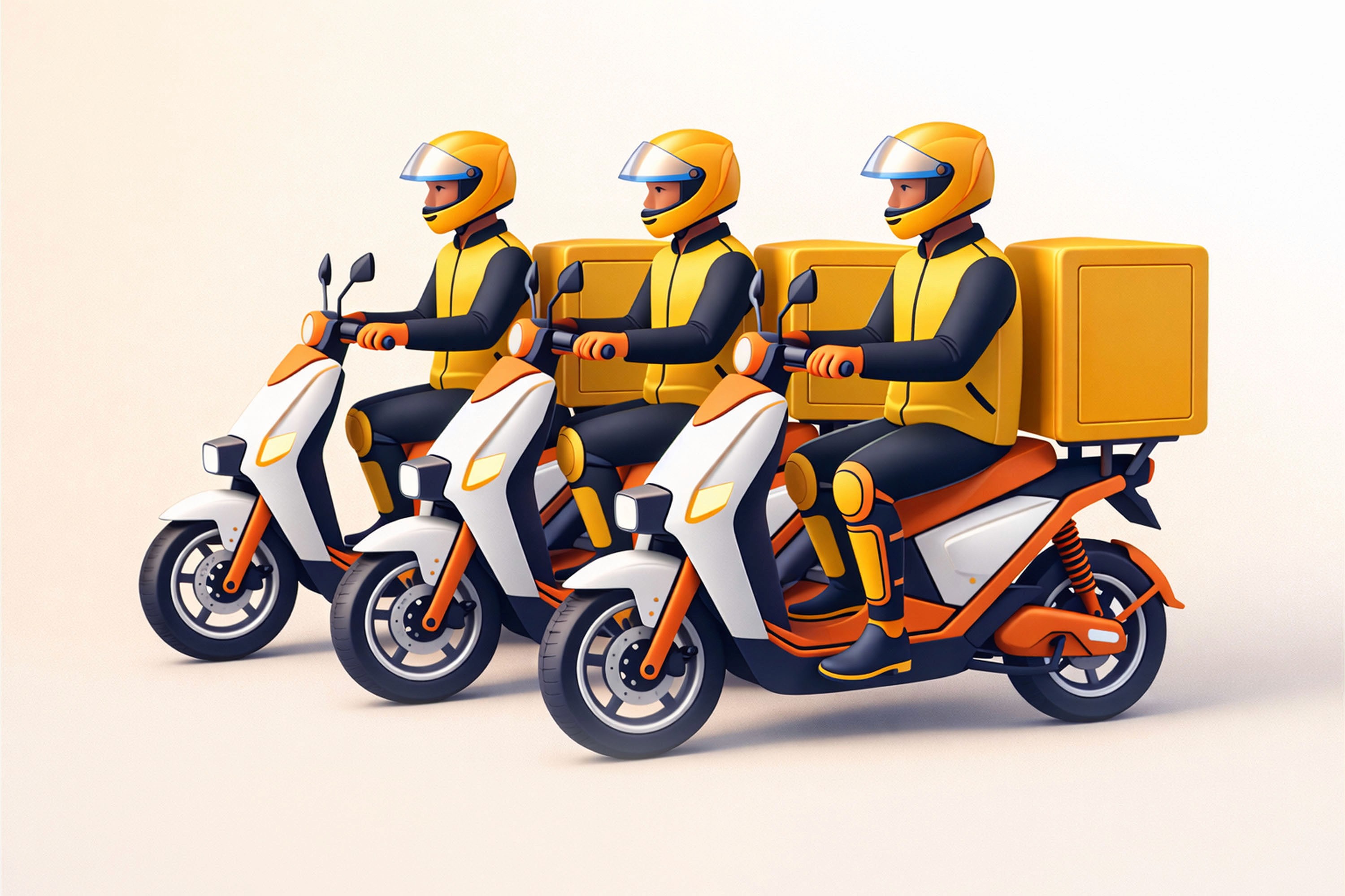
One of the most powerful features within an automated delivery dispatch system is dynamic trip capacity. Rather than setting a fixed number of orders per rider for the entire day, the system adjusts capacity based on time windows. Early morning might allow one order per trip when volume is low, while the lunch rush might permit three orders per trip to maximize throughput. This can also vary by vehicle type, so a rider on a motorcycle has different capacity limits than one driving a van.
This prevents a common problem where riders try to overload their trips to save fuel costs at the expense of delivery speed and food quality. When the system enforces capacity limits with no way for riders to override them through the app, the temptation to stack extra orders disappears.
Measuring the Impact of Automated Delivery Dispatch
Operations that switch from manual to automated delivery dispatch typically see measurable improvements within weeks. Delivery times decrease because routes are optimized and orders are assigned without delay. Return rates drop because trip capacity is controlled and food arrives fresh. Dispatcher workload is reduced or eliminated, freeing staff for higher-value tasks. And the data generated by the system is reliable because every step of the process is logged and verified.
Roboost clients have reported achieving 95% full delivery automation with order grouping, reducing store involvement and errors to a minimum. For operations processing hundreds or thousands of orders daily, automated delivery dispatch is the difference between controlled growth and operational chaos.
Frequently Asked Questions About Automated Delivery Dispatch
How is automated delivery dispatch different from auto-assign?
Basic auto-assign sends orders to the nearest rider. Automated delivery dispatch evaluates multiple factors simultaneously: rider skills, vehicle type, order priority, item temperature compatibility, trip capacity, and queue position. It also groups orders and optimizes routes before assigning, which auto-assign does not do.
What happens if automated delivery dispatch cannot find a suitable rider?
Roboost's dispatch engine retries continuously based on your configuration, re-evaluating available riders as their status changes. Unlike platforms that give a limited number of attempts and then require manual intervention, Roboost keeps working until the optimal assignment is made.
Can I customize the rules used by automated delivery dispatch?
Yes. Roboost allows detailed configuration of dispatch logic at the company, branch, and availability zone levels. You can set rules for trip capacity by time window and vehicle type, order priority criteria, rider skill matching, grouping restrictions, and more.
Will automated delivery dispatch work during peak hours with high order volume?
Peak hours are exactly when automated delivery dispatch provides the most value. The system processes grouping, routing, and assignment decisions in seconds, handling volumes that would overwhelm a manual dispatcher. Dynamic trip capacity adjusts automatically during rush periods.