Tookan is one of the more widely recognized delivery management platforms on the market, particularly among small to mid-sized businesses looking for a straightforward dispatch tool. However, as businesses grow and their delivery operations become more complex, the limitations of Tookan become increasingly apparent. Many operations that started with Tookan begin searching for a Tookan alternative once they need deeper automation, granular control, and reliable analytics.
Where Tookan Falls Short for Growing Operations
Tookan provides basic task management, real-time tracking, and simple productivity metrics like distance and time spent in transit versus idle. For a small operation with a handful of riders, this level of functionality is adequate. But for businesses processing hundreds of orders daily across multiple branches, Tookan's limitations become operational bottlenecks.
Tookan lacks built-in fraud detection. There is no mechanism to alert supervisors about fake GPS usage, order tampering, or manipulation attempts. Rider control features are minimal, with no IMEI locking, no VPN blocking, and no location-based restrictions that ensure riders are operating within their designated zones. For operations where rider accountability is critical, these gaps are significant.
Why Roboost Is the Leading Tookan Alternative
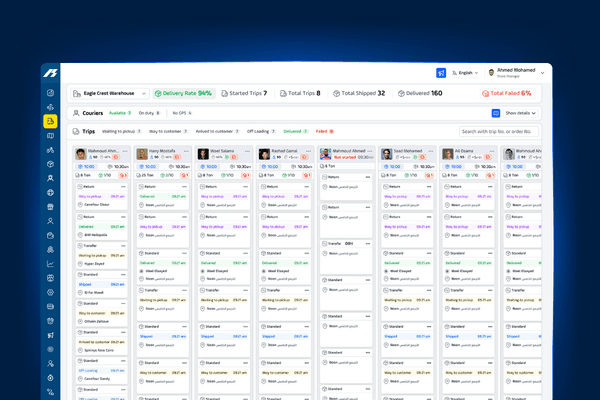
As a Tookan alternative, Roboost addresses these gaps comprehensively. Roboost's dispatch automation goes well beyond simple closest-rider assignment. It evaluates rider skills, vehicle type, order priority, item temperature compatibility, and dynamic trip capacity before making every assignment. The system achieves 99.89% task automation, meaning store teams rarely need to intervene manually.
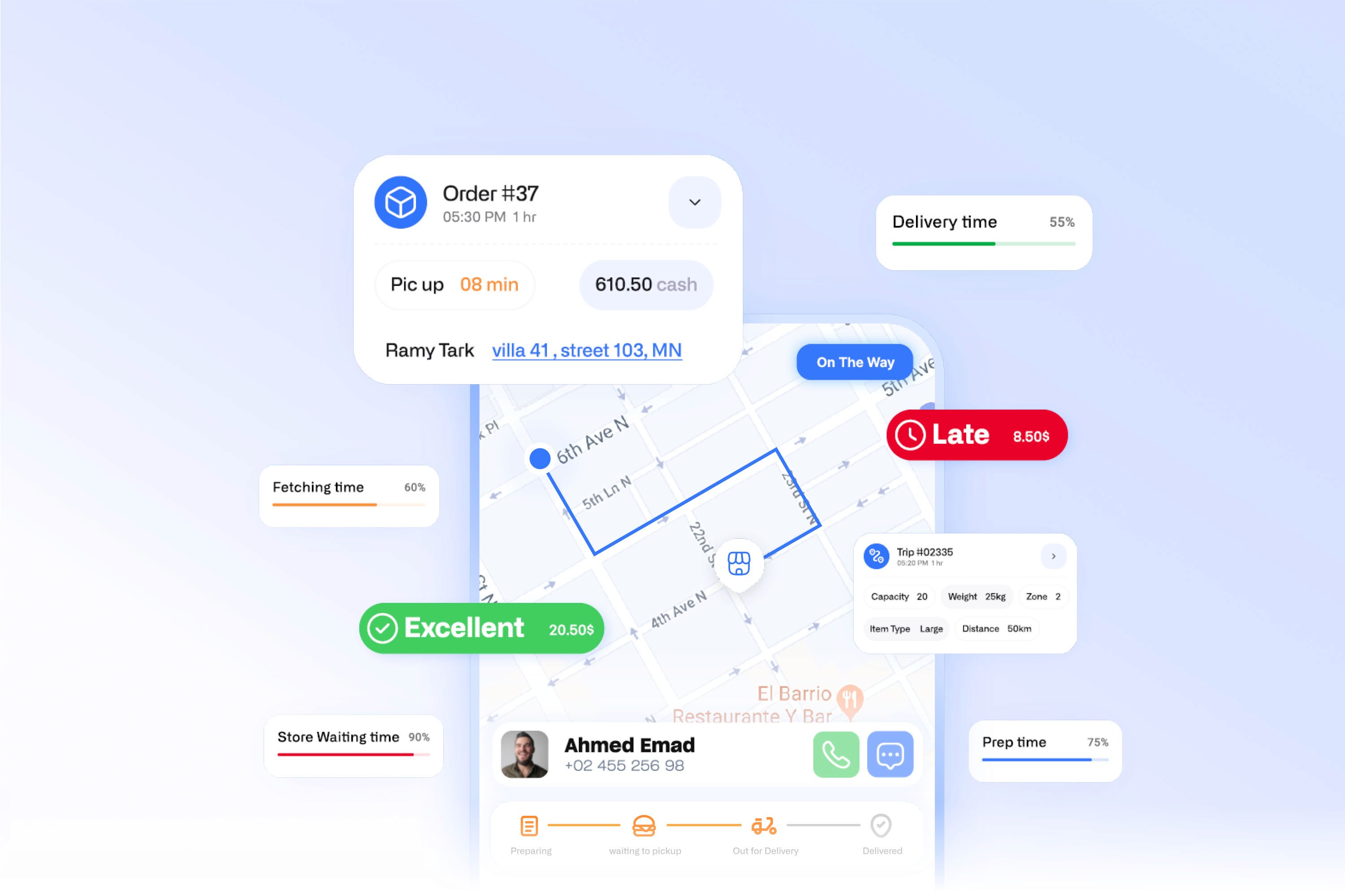
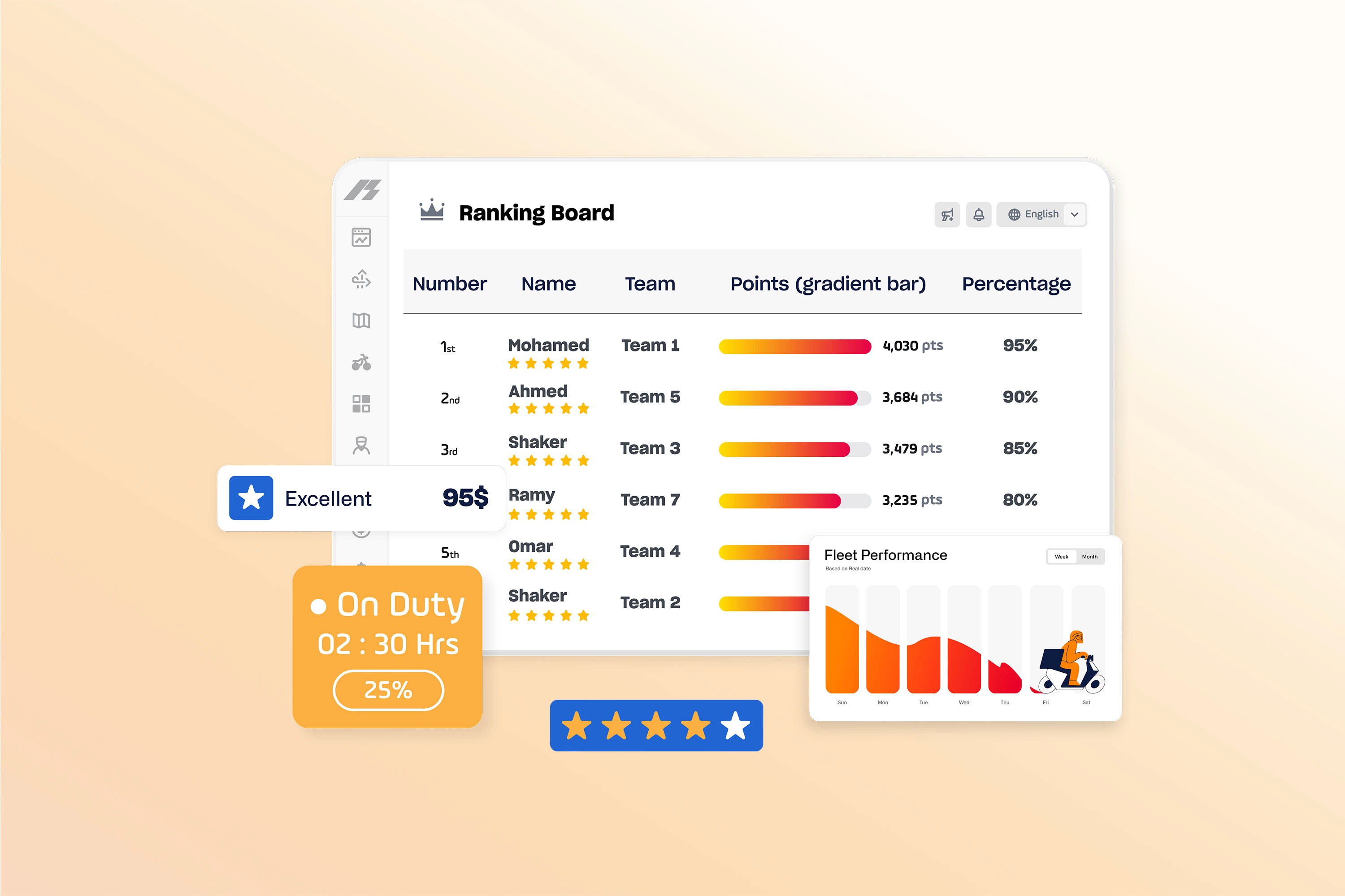
On the analytics side, Roboost provides a depth of KPIs that Tookan does not offer. Beyond basic task completion and delay metrics, Roboost calculates average delivery time, excellent task rates, rider performance scores, on-time delivery rates per region and branch, order preparation time, rider assignment time, delivery duration breakdowns, and root cause indicators for delays and returns. This data supports meaningful operational decisions rather than surface-level reporting.
Fraud Detection and Rider Control: Key Tookan Alternative Advantages
The most critical advantage Roboost offers as a Tookan alternative is its rider control and fraud detection infrastructure. Every step of the rider journey is controlled and verified. GPS is checked at all key action points. The rider app is locked to a single device via IMEI. Any VPN manipulation blocks the rider from using the app. Abuse is detected automatically and can be linked to payroll deductions. Trips flagged as abused are excluded from performance data, ensuring analytics remain trustworthy.
Making the Switch: From Tookan to a Better Alternative
Transitioning from Tookan to Roboost involves seamless integration with existing POS systems, a structured onboarding process, and comprehensive training for dispatchers and riders. Roboost's team provides close operational support throughout the transition, drawing on experience with enterprise clients like McDonald's, Nana, and Elezaby to ensure a smooth rollout.
For businesses that have outgrown Tookan's capabilities and need a Tookan alternative that can scale with them, Roboost provides the automation depth, fraud prevention, and analytical rigor that the next stage of growth demands.
Frequently Asked Questions About Tookan Alternatives
What are the biggest limitations of Tookan that drive businesses to look for an alternative?
The most common pain points include the lack of built-in fraud detection, limited rider control features (no IMEI locking, no VPN blocking), basic analytics that only cover task completion and simple productivity, and the absence of automated priority and skills-based dispatch.
How does Roboost compare to Tookan on automation?
Tookan requires manual dispatcher involvement for many actions. Roboost achieves 99.89% task automation by handling order grouping, route optimization, priority assignment, skills-based rider matching, and dynamic trip capacity entirely without human input.
Is migrating from Tookan to Roboost a complex process?
Roboost provides a structured onboarding process that includes POS integration, dispatcher training, rider app deployment, and close operational support throughout the transition. The team draws on experience with enterprise-scale migrations to ensure minimal disruption.
Does Roboost offer analytics that Tookan does not?
Yes. Roboost provides granular KPIs including on-time delivery rate per branch, order preparation time, rider assignment time, delivery duration breakdowns, comparative branch performance, root cause indicators for delays, and heatmaps showing return concentrations. Tookan's analytics are limited to task completion, delay time, and basic distance and time tracking.