The performance of your delivery fleet determines the quality of every customer interaction that happens at the doorstep. A fast, courteous, and reliable rider creates a positive impression that reinforces the brand. A late, careless, or dishonest rider undermines everything the kitchen and front-of-house teams worked to deliver. Rider performance tracking is the tool that lets you measure, compare, and improve rider behavior systematically rather than relying on anecdotal feedback or customer complaints.
What Rider Performance Tracking Should Measure
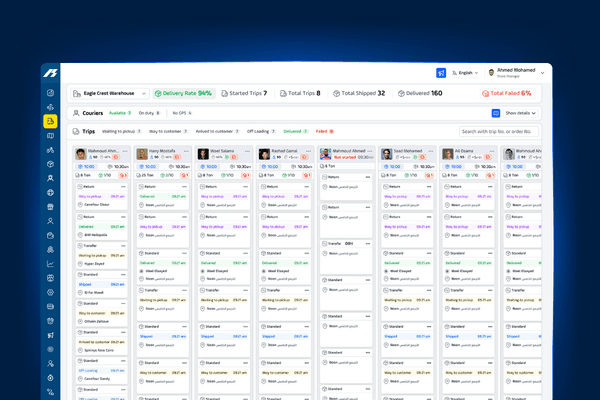
Basic tracking tells you how many deliveries a rider completed and whether they were on time. Meaningful rider performance tracking goes deeper. It measures the full delivery cycle for each rider: how long they waited at the store for the order, how quickly they traveled to the customer, how long they spent at the customer location, and how efficiently they returned to the store or moved to their next pickup.
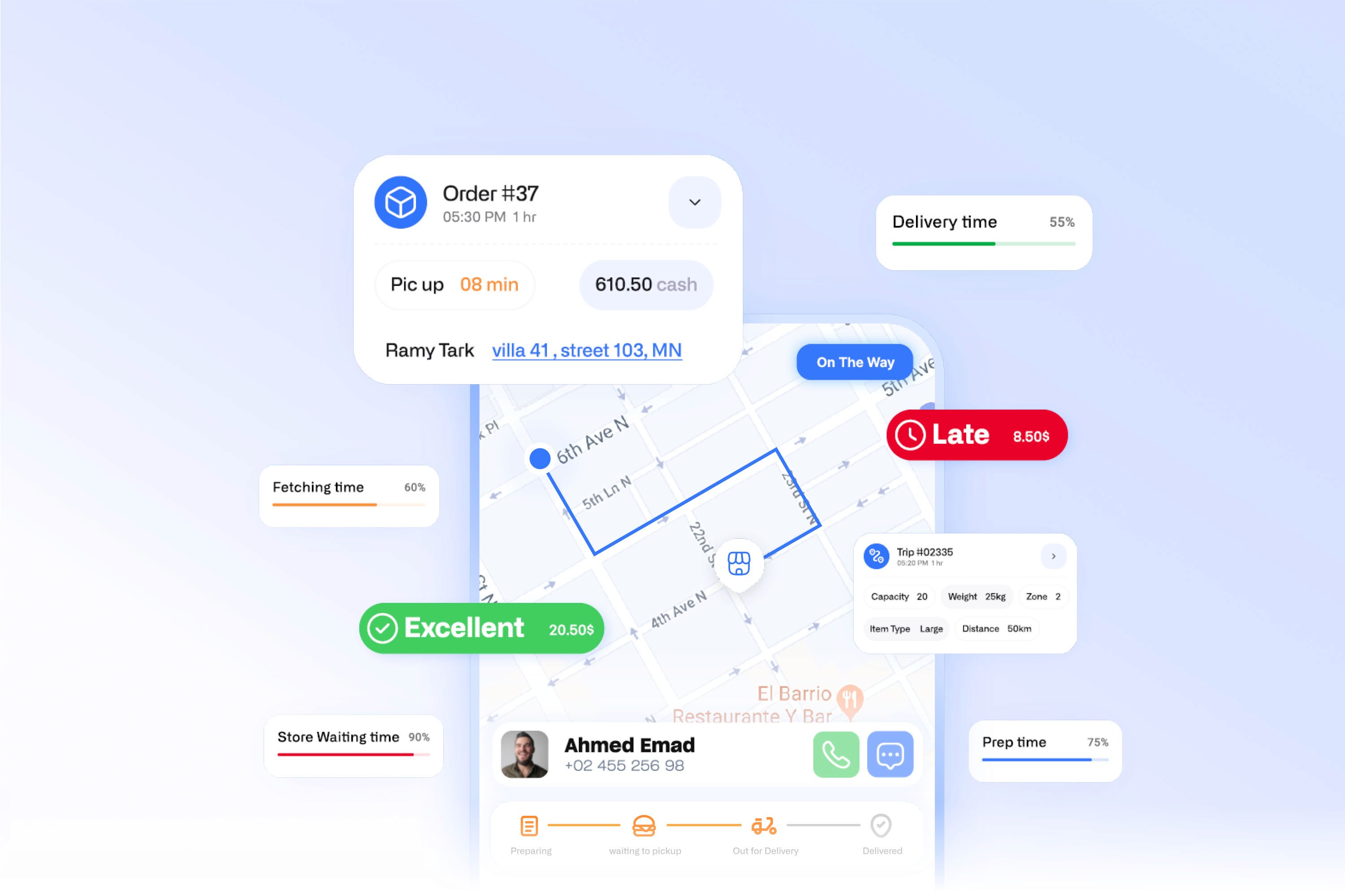
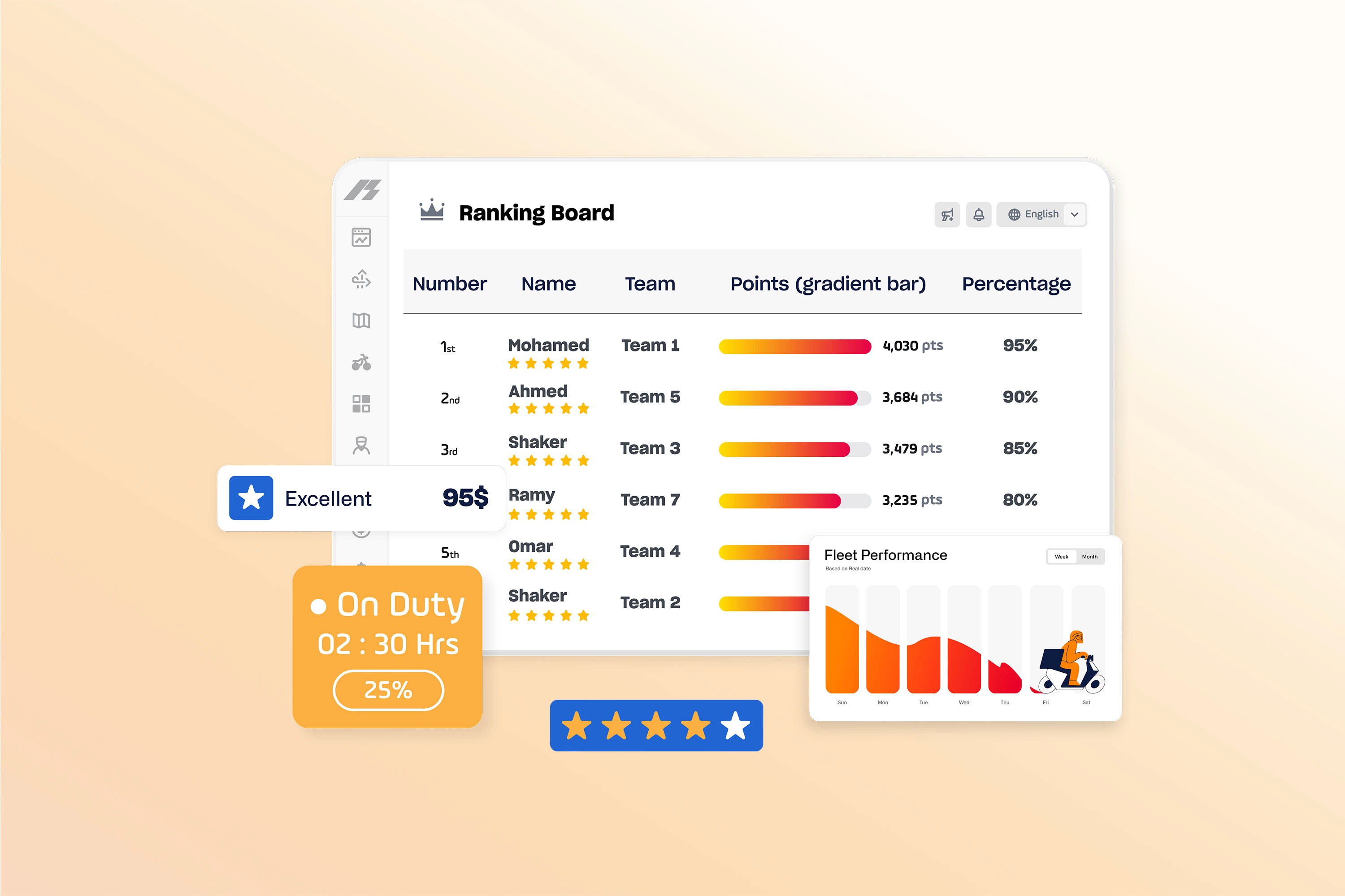
Roboost's rider performance tracking breaks down every delivery into these granular phases. It calculates metrics like on-time delivery rate per rider, average trip duration, customer serving time, and idle time between trips. It also tracks abuse indicators such as deliveries completed outside designated geofences, abnormally fast trip times, and GPS inconsistencies. By separating legitimate performance data from flagged trips, the system ensures that rider evaluations are based on verified actions.
Using Rider Performance Tracking to Identify Bottlenecks
One of the most valuable applications of rider performance tracking is bottleneck identification. When you notice that average delivery times are increasing at a specific branch, the data can tell you whether the problem lies with the kitchen (high store waiting times), the fleet (slow travel times), or the customers (long serving times at the door). Without this breakdown, the default assumption often falls on the riders, even when the actual cause is elsewhere.
Roboost validates preparation time through a double-verification method. The kitchen marks the order as ready, and the rider confirms pickup. If the rider's store waiting time is significantly longer than the reported preparation time, it reveals that the kitchen's readiness data was inaccurate. This cross-validation, made possible through rider performance tracking, settles the common debate between store operations and fleet operations about who is causing delays.
Connecting Rider Performance Tracking to Payroll and Incentives
Rider performance tracking becomes operationally powerful when connected to payroll. Roboost's payroll module calculates rider compensation based on actual performance metrics: excellent trip revenue, good trip revenue, late trip deductions, and abuse deductions. Payment incentive tiers reward top performers while creating financial consequences for consistently poor performance or policy violations.
This connection between rider performance tracking and compensation creates a self-reinforcing system. Riders who deliver quickly and honestly earn more. Riders who attempt to cut corners or manipulate the system face automatic deductions. Over time, this incentive structure improves overall fleet quality and reduces turnover among top-performing riders.
Scaling Rider Performance Tracking Across Multiple Locations
For businesses with multiple branches, rider performance tracking must support comparative analysis. How does the fleet in Branch A compare to Branch B? Are riders in one city consistently outperforming those in another? Roboost provides on-time delivery rate comparisons per region and branch, performance discrepancy analysis, and heatmaps that show where returns and complaints are concentrated. This multi-location perspective ensures that operational improvements are targeted and data-driven.
Frequently Asked Questions About Rider Performance Tracking
What metrics does rider performance tracking measure beyond delivery count?
Roboost tracks on-time delivery rate, average trip duration, store waiting time, travel time to customer, customer serving time, return time, idle time between trips, abuse indicators (geofence violations, abnormal trip times, GPS inconsistencies), and comparative performance across branches and regions.
How does rider performance tracking separate kitchen delays from fleet delays?
Roboost uses a double-verification method. The kitchen marks the order as ready, and the rider confirms pickup. The rider's store waiting time is compared to the reported preparation time. If the rider waited significantly longer, it reveals that the kitchen's reported time was inaccurate, clearly identifying where the delay originated.
Can rider performance tracking be connected to payroll?
Yes. Roboost's payroll module calculates compensation based on performance tiers: excellent trip revenue, good trip revenue, late trip deductions, and abuse deductions. This directly links rider earnings to verified performance data.
Does rider performance tracking exclude fraudulent trips from metrics?
Yes. Trips flagged as abused or fraudulent are automatically excluded from all performance calculations. This ensures that rider evaluations, branch comparisons, and operational KPIs reflect verified, legitimate deliveries only.